January 14, 2026
Creating a backyard that is both visually appealing and safe for children can be a challenge for homeowners. Families want outdoor spaces that encourage play, spark imagination, and provide relaxation, while also minimizing hazards. Thoughtful landscape design allows you to balance safety and style, turning your yard into a haven for both kids and adults.
By prioritizing safety without compromising aesthetics, you can create an outdoor environment that your children love, and that complements your home. This guide explores key considerations and actionable tips for achieving a kid-friendly landscape that harmonizes beauty, practicality, and security.
Plan Your Yard Layout for Safety and Accessibility
One of the first steps in kid-friendly landscape design is arranging your yard so that children can play safely while staying within sightlines. A well-thought-out layout reduces risks and encourages organized activities. Consider the following strategies:
- Define play zones: Separate areas for active play, quiet relaxation, and social spaces. Use natural barriers like hedges or low fencing to delineate zones.
- Maintain clear sightlines: Position seating areas so adults can easily supervise children. Avoid tall, obstructive plants near play areas.
- Create smooth transitions: Ensure pathways are level and materials are slip-resistant to prevent falls. Gradual slopes are safer than abrupt elevation changes.
By designing zones and pathways thoughtfully, your yard becomes a safe playground where kids can move freely while parents maintain peace of mind.
Choose Durable, Safe Materials
Material selection is a critical component of landscape design for families. Surfaces must withstand active play, weather conditions, and potential spills, all while minimizing injury risks. Consider these options:
- Rubber or mulch surfaces: Soft landing materials under swings, slides, or climbing structures can reduce injuries from falls. Engineered wood chips or recycled rubber mats provide cushioning and durability.
- Low-maintenance grass alternatives: Synthetic turf offers a green, soft surface without the need for constant watering or mowing.
- Smooth, non-toxic pathways: Concrete, pavers, or flagstone should be level and slip-resistant. Avoid rough edges or uneven surfaces that could cause trips.
- Kid-safe plantings: Choose non-toxic flowers and shrubs. Avoid thorny plants or species that attract bees and wasps near play areas.
Investing in durable and safe materials ensures your yard remains functional and visually appealing for years, even under heavy use by children.
Incorporate Functional Play Features
Play features are central to a kid-friendly yard, but they must be incorporated with safety in mind. The right equipment enhances the landscape while supporting imaginative and physical development. Tips for integrating play features into your landscape design include:
- Age-appropriate structures: Slides, swings, and climbing frames should match the age and skill level of your children. Adjustable or modular equipment can grow with your family.
- Soft landing zones: Position rubber mats, mulch, or sand under all climbing structures.
- Shaded areas: Install pergolas, shade sails, or trees to protect children from sun exposure during outdoor play.
- Accessible storage: Include benches with built-in storage for toys and outdoor games to keep the yard organized.
By blending play equipment with safe landscaping elements, your yard becomes a stimulating and enjoyable environment that promotes activity and creativity.
Enhance Boundaries and Retaining Features
Proper boundary definition and safe elevation management are essential in kid-friendly landscape design. Fences, walls, and retaining structures not only organize the yard but also prevent accidents. Consider these recommendations:
- Secure fencing: Ensure fences are tall enough to prevent climbing and gaps are minimized to keep children and pets safely contained.
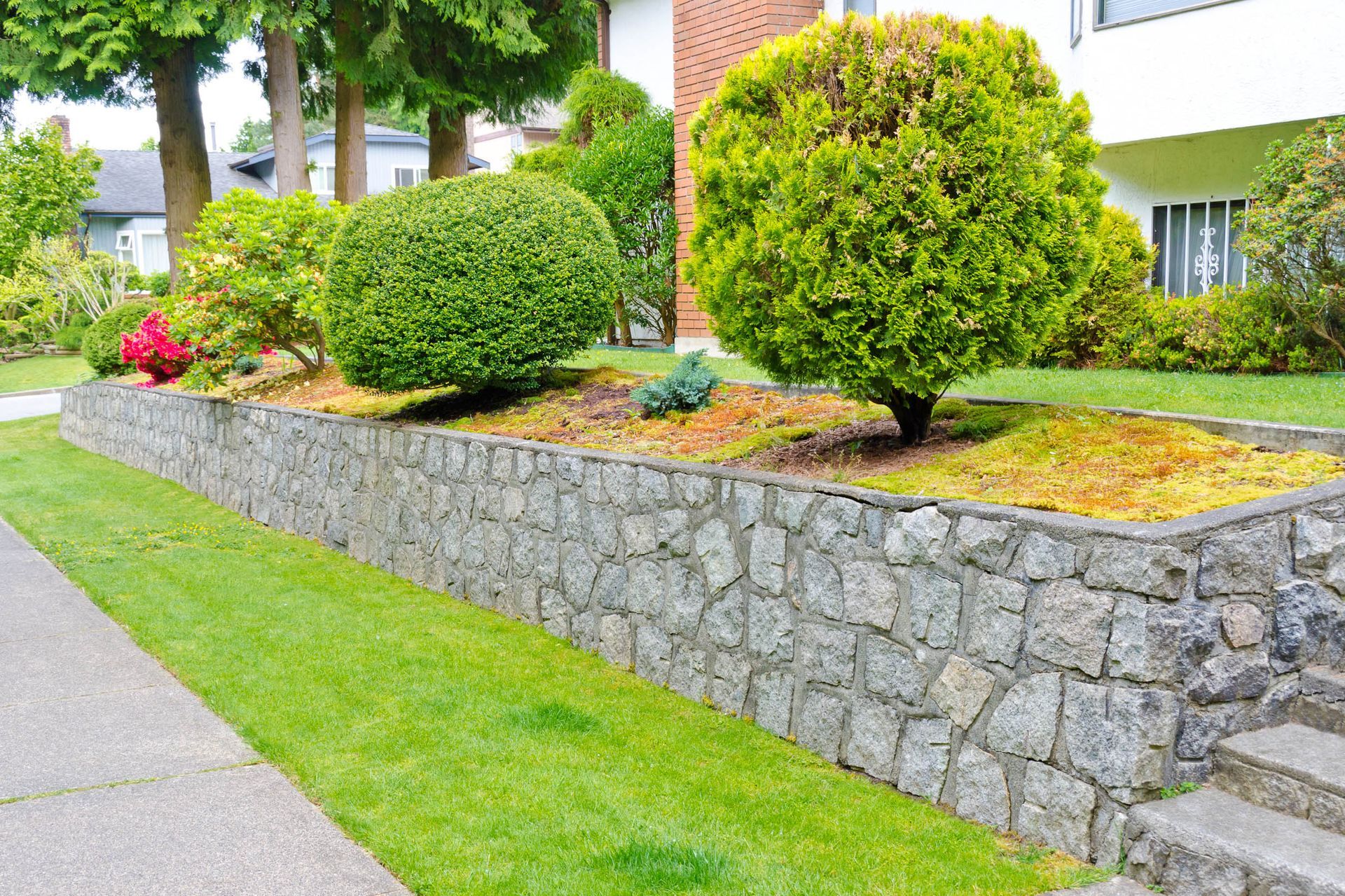
- Retaining walls: Use walls to manage elevation changes, preventing erosion and maintaining usable space. According to Bob Vila, retaining walls taller than four feet should be engineered by professionals.
- Plan for gentle slopes: Avoid steep grades that could lead to slips or falls. Gradual inclines are safer and easier for children to navigate.
- Integrated gates: Add childproof latches on gates to prevent unsupervised access to potentially hazardous areas.
Strong, well-planned boundaries help create a yard where children can explore safely while maintaining aesthetic balance within the landscape.
Select Plants That Promote Safety and Learning
Incorporating vegetation into your landscape design requires more than aesthetics. Plants can support learning, encourage exploration, and enhance the safety of your outdoor spaces. Tips for choosing kid-friendly flora include:
- Non-toxic species: Avoid plants that are poisonous if ingested, such as oleander or foxglove.
- Sensory engagement: Use flowers with texture, color, and fragrance to create a stimulating environment.
- Interactive gardens: Consider small vegetable or herb patches where children can plant, water, and observe growth.
- Low-maintenance options: Choose hardy, drought-resistant plants that minimize upkeep while remaining visually appealing.
Vegetation that engages children safely transforms your backyard into a natural classroom while complementing the overall design.
Provide Shaded and Comfortable Spaces
Shade and comfortable areas are essential for prolonged outdoor play and family gatherings. Designing areas that protect against sun exposure and create cozy retreats is a key part of kid-friendly landscape design. Strategies include:
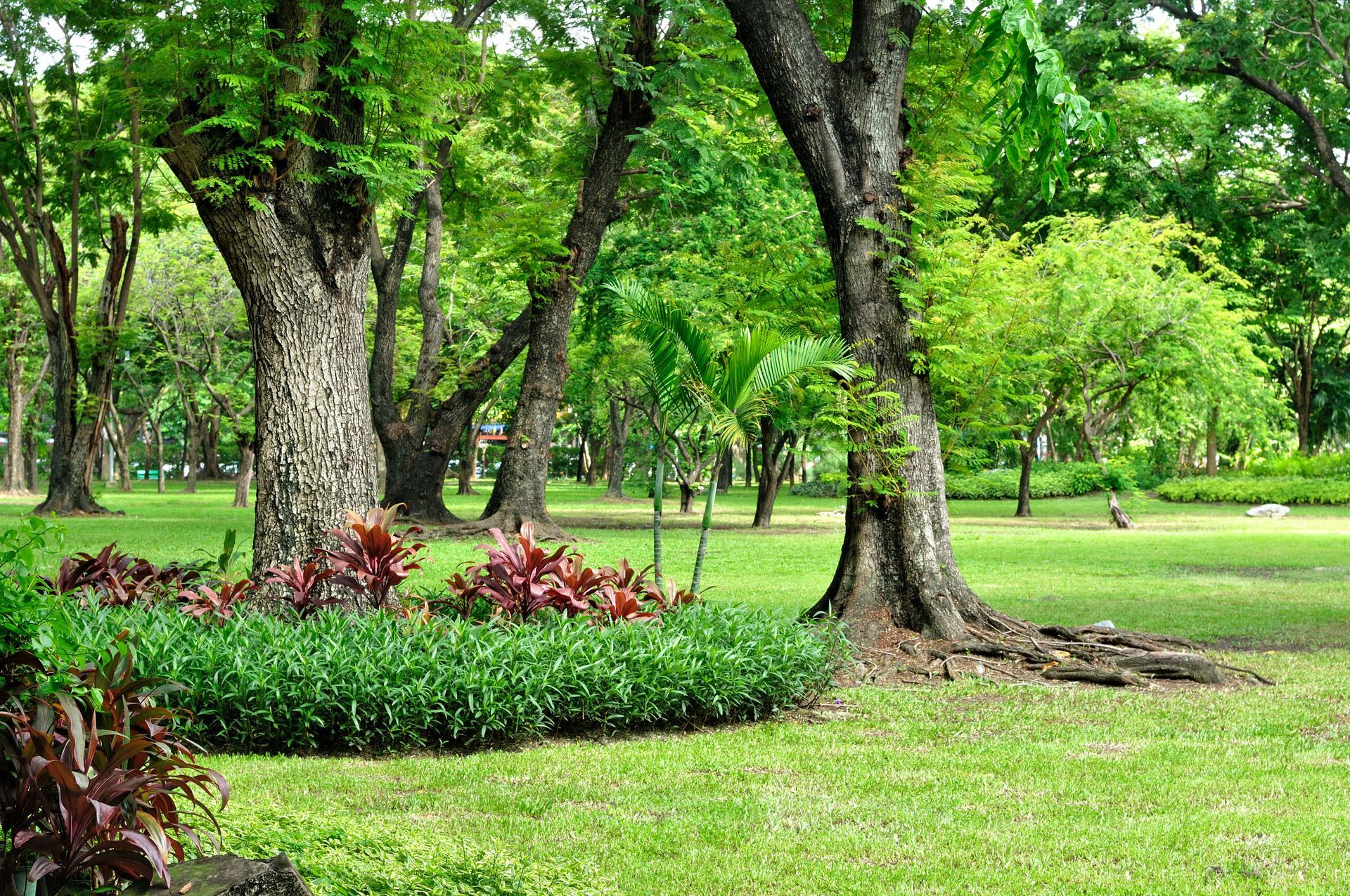
- Tree placement: Use broad-canopy trees to provide natural shade over play areas and seating zones.
- Pergolas and shade sails: Install structures over patios, picnic areas, or sandbox stations for sun protection.
- Outdoor seating: Provide benches or cushions in shaded spots so adults can supervise comfortably.
- Cooling elements: Consider water features like small fountains or misting stations that help regulate temperature during hot days.
Shaded areas encourage extended outdoor play while protecting children and adults from harmful UV exposure.
Integrate Pathways and Accessible Surfaces
Pathways and circulation are critical for a functional and safe backyard. Smooth, well-designed paths prevent accidents while supporting movement across the yard. Consider these tips:
- Clear circulation: Plan paths that connect play areas, seating, and garden features without crossing dangerous zones.
- Soft, level surfaces: Use rubberized materials, mulch, or pavers to reduce trip hazards.
- Contrasting textures: Different textures for walkways and play zones help children recognize boundaries and stay within safe areas.
- Curved or meandering paths: Curved layouts add interest to the yard while slowing foot traffic to reduce accidents.
Integrating accessible pathways ensures your yard is both usable and visually appealing, supporting safe exploration and organized play.
Add Multi-Functional Outdoor Spaces
To maximize usability, combine aesthetic appeal with multi-functional spaces. Kid-friendly landscape design can include features that serve both children and adults:
- Outdoor dining and picnic areas: Use these spaces for family meals, homework, or crafts.
- Play and relaxation overlap: Install seating adjacent to play structures so adults can supervise while enjoying comfort.
- Event-friendly layouts: Maintain open lawns or patios that can accommodate gatherings without obstructing play areas.
- Storage solutions: Include bins or sheds that keep toys and gardening tools organized, reducing clutter and hazards.
Multi-functional design ensures that the yard is enjoyable for all ages and adapts to changing family needs over time.
Kid-friendly landscape design is about creating a backyard that blends safety, fun, and aesthetic appeal. Thoughtful planning, careful selection of materials, and attention to vegetation, play features, and boundaries all contribute to a secure and inviting outdoor space. By incorporating durable surfaces, interactive gardens, shaded retreats, and accessible pathways, homeowners can craft a yard that supports healthy play and family bonding while maintaining beauty and functionality.
A well-designed landscape encourages exploration, fosters creativity, and provides a secure environment that grows with your children. Prioritizing safety without compromising style ensures that your backyard remains a cherished retreat for years to come. For expert guidance in designing kid-friendly outdoor spaces that balance safety and style, contact Abarca Landscape!