November 11, 2026
Creating an attractive outdoor space requires more than selecting plants and adding decorative features. A successful landscape combines visual appeal, practical functionality, and thoughtful planning to create an environment that complements the property. From arranging garden beds to choosing materials for patios and walkways, every decision influences the finished result. Understanding the fundamental principles of landscape design helps property owners make informed choices that support their outdoor goals. Whether improving a small residential yard or transforming a larger property, applying these principles can create a cohesive space that remains attractive and functional over time.
Establishing Balance and Proportion
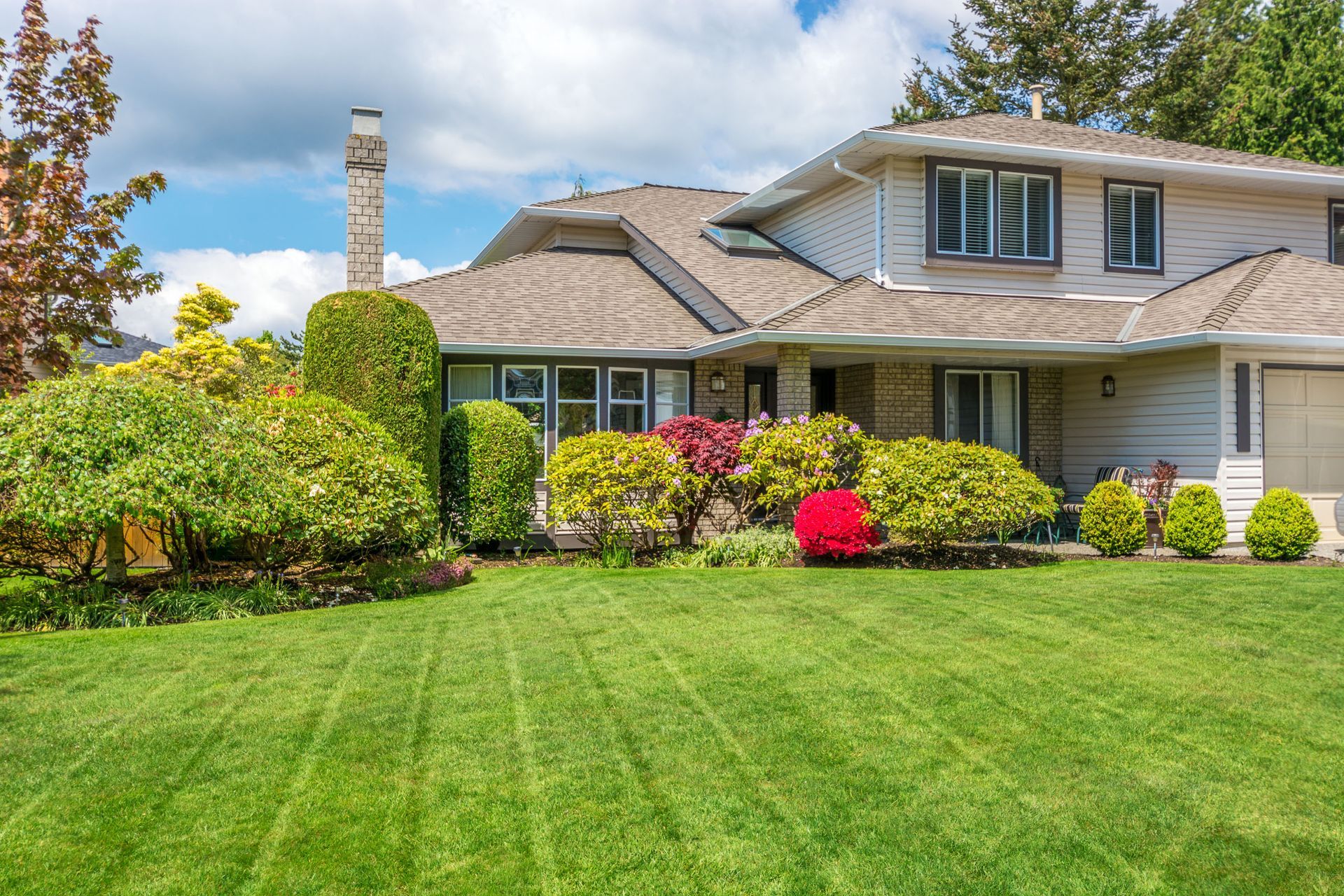
Balance is an essential principle because it creates visual stability throughout an outdoor environment. A landscape should feel organized without appearing overly crowded or uneven. Symmetrical designs achieve balance through matching features on opposite sides of a central point, such as identical planting beds beside an entrance. Asymmetrical designs use different elements to create a similar sense of visual weight without requiring identical arrangements.
Proportion focuses on how individual features relate to the surrounding space. A large fountain may overwhelm a small garden, while undersized decorative elements might disappear within an expansive yard. Trees, shrubs, walkways, patios, and other features should complement the property's dimensions and architectural style.
Property owners should also consider the mature size of plants when planning their placement. A young tree may appear appropriately sized initially but eventually dominate nearby garden areas. Allowing sufficient room for growth helps maintain balance and prevents overcrowding. Thoughtful planning ensures that each feature contributes to the overall appearance rather than competing for attention.
Creating Unity Throughout the Landscape
Unity connects the different elements of an outdoor space through consistent design choices. Plants, decorative features, hardscaping materials, and outdoor furniture should complement one another. Establishing a consistent style helps prevent the property from feeling disconnected or visually confusing.
One way to create unity is through repetition. Using similar plant varieties, colors, textures, and materials throughout the property establishes recognizable patterns. For example, incorporating matching stone materials into a patio and nearby garden borders can connect separate areas. Repeating particular plant groupings can also create continuity while allowing individual sections to serve different purposes.
Unity does not require every part of a landscape to look identical. A garden, entertainment area, and open lawn can each have distinct characteristics while following the same overall design direction. Selecting complementary features helps establish a natural transition between these spaces.
The landscaping industry demonstrates the importance of attractive and functional outdoor environments. According to Landscape Professionals, the U.S. landscaping services industry had an estimated value of $188.8 billion in 2025. This reflects the substantial market surrounding landscaping services and outdoor improvements.
Incorporating Rhythm and Repetition
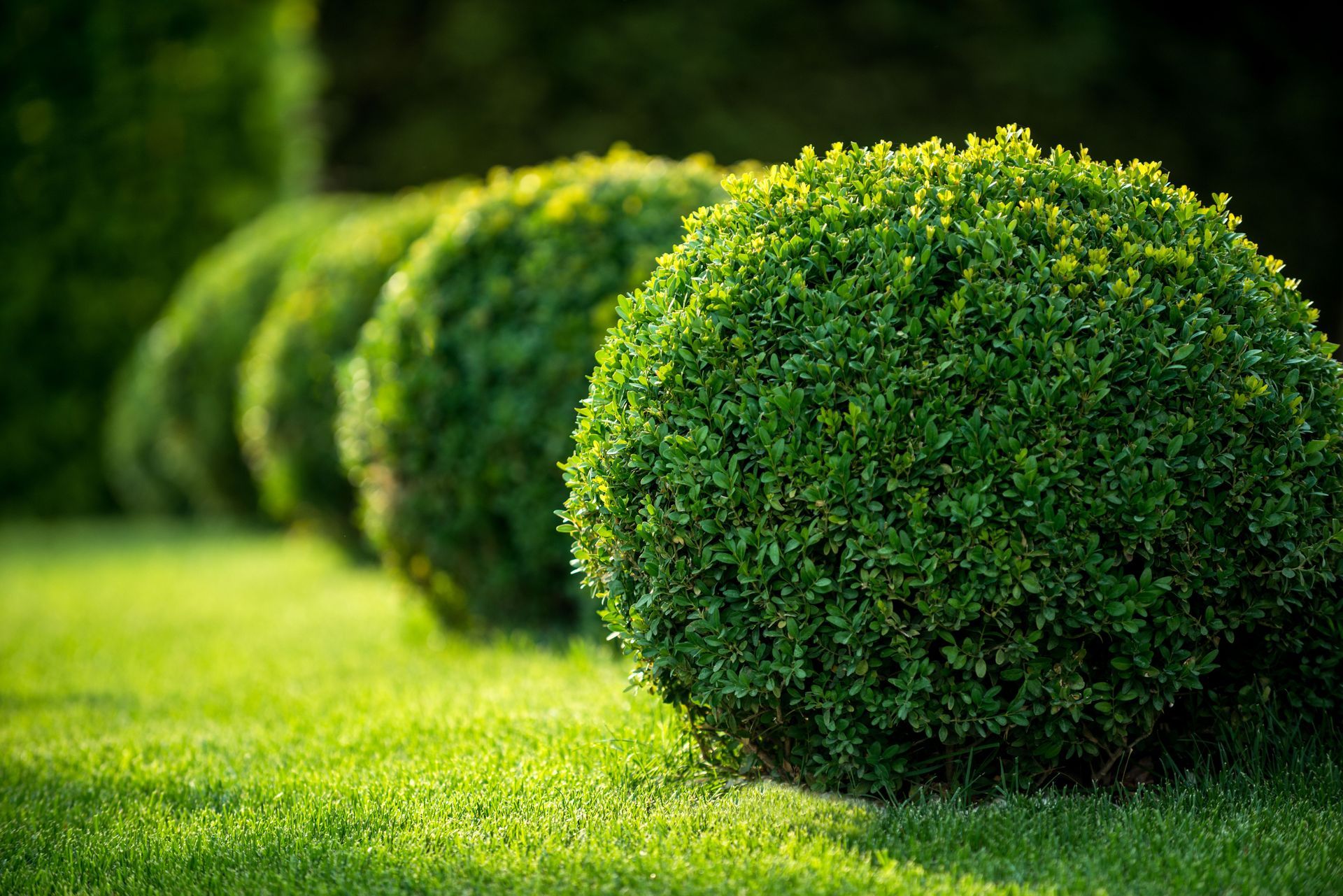
Rhythm creates visual movement by guiding attention from one landscape feature to another. Repeating shapes, colors, textures, and plant varieties establish patterns that make an outdoor environment feel organized. These patterns help connect individual features rather than making every element appear separate.
Walkways and planting arrangements are useful ways to introduce rhythm. Similar plants positioned along a pathway can naturally draw attention toward another section of the property. Repeating decorative stones or garden borders throughout the yard can produce a similar effect. These connections help establish a consistent appearance without requiring every area to have the same layout.
Variation is equally important because excessive repetition can make a landscape feel predictable. Introducing different plant heights, foliage textures, and decorative accents creates interest while maintaining an organized appearance. The goal is to establish a recognizable pattern without eliminating variety.
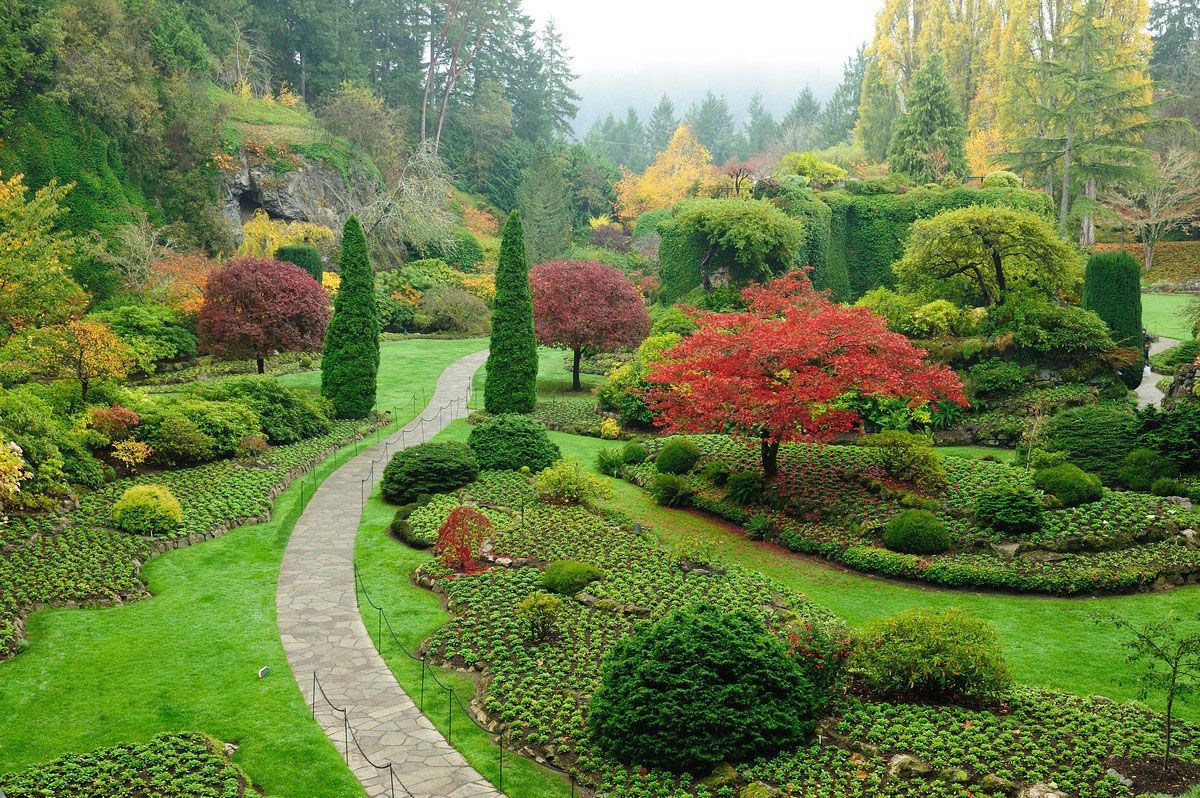
Rhythm can also influence how people move through outdoor spaces. Curved pathways may encourage exploration, while straight walkways provide direct access between important areas. Landscape designing uses these patterns to create an environment that feels connected, comfortable, and inviting.
Selecting Appropriate Plants and Materials
Choosing suitable plants is essential for creating an attractive landscape that remains manageable. Different varieties have specific requirements for sunlight, soil conditions, water, and available growing space. Selecting plants that naturally suit the property's environment can support healthier growth and reduce ongoing maintenance.
Native plants and regionally appropriate varieties are often useful options because they are adapted to local conditions. Property owners should also consider seasonal changes when selecting vegetation. Combining flowering plants, ornamental grasses, shrubs, and evergreen varieties can help maintain visual interest throughout changing weather conditions.
Hardscaping materials also influence the appearance and functionality of outdoor environments. Natural stone, concrete pavers, gravel, mulch, and wood offer different textures and characteristics. The right materials depend on the property's style, intended use, and maintenance expectations.
Durability should remain a priority when choosing surfaces for patios, walkways, and other frequently used areas. Materials should withstand regular use and local weather conditions while complementing nearby architectural features. Coordinating these choices helps create a polished appearance throughout the property.
Balancing Functionality and Visual Appeal
A landscape should look attractive while supporting the everyday activities of the people using it. Some property owners prioritize outdoor entertainment, while others want peaceful gardens, recreational areas, or convenient pathways. Identifying these goals before beginning a project helps determine which features deserve priority.
Walkways should provide convenient access between entrances, patios, garden areas, and other important sections of the property. Seating areas should be positioned where people can comfortably enjoy the surroundings without obstructing movement. Outdoor furniture and decorative features should also fit naturally within their intended spaces.
Drainage is another important consideration. Poor water management can cause standing water, soil erosion, damaged planting beds, and moisture concerns near a home's foundation. Proper grading and appropriate drainage solutions help direct excess water away from vulnerable areas. Addressing these concerns during the planning process can prevent future problems.
Lighting can improve both safety and appearance. Pathway fixtures make outdoor areas easier to navigate after sunset, while accent lighting highlights trees, garden features, and architectural details. Combining practical improvements with attractive design choices makes outdoor environments more useful and enjoyable.
Adapting the Design to the Property
Every property has unique characteristics that influence its landscaping possibilities. Soil composition, sunlight exposure, existing vegetation, natural slopes, and available space should all be evaluated before selecting features. Understanding these conditions helps property owners make decisions that work with the existing environment.
Sunlight is particularly important when determining where to place gardens and seating areas. Some plants thrive in direct sunlight, while others require shaded conditions. Observing the property's natural light patterns helps identify suitable planting locations and supports healthier vegetation.
Natural elevation changes should also influence the design. Sloped properties may benefit from retaining walls, terraced gardens, or strategically positioned planting beds. These features can improve usability while adding visual depth. Proper grading and drainage planning are equally important for managing water movement across the property.
Maintenance expectations and budget should guide the selection of plants and materials. Elaborate gardens may require more attention than simpler arrangements featuring durable materials and regionally appropriate vegetation. Landscape designing should reflect what property owners can realistically maintain without sacrificing their preferred appearance.
Flexibility is another valuable consideration. Outdoor needs may change as homeowners introduce additional seating, expand garden areas, or create new entertainment spaces.
A successful landscape combines thoughtful plant selection, balanced arrangements, functional features, and visual consistency. Applying these principles helps create outdoor spaces that complement the property while supporting everyday activities. Whether planning a complete transformation or making targeted improvements, professional guidance can help bring the vision together. Contact Abarca Landscape to discuss your outdoor improvement goals and start creating a beautiful, functional landscape that enhances your property.