September 16, 2026
In recent years, there has been a notable shift in landscaping trends, with an increasing number of professional landscapers opting to integrate new lawn installations within broader landscape designs. This integrated approach offers numerous benefits, including enhanced aesthetics, improved sustainability, and increased property value across both residential and commercial sectors. By combining these essential elements, experienced design experts can create cohesive outdoor spaces that are not only visually appealing but also environmentally responsible and closely aligned with evolving client expectations. This holistic methodology ensures that every square foot of the property serves a clear purpose while contributing to a unified artistic vision.
Understanding basic design principles allows spatial planners to create harmonious compositions that resonate naturally with the surrounding environment and architectural style. Curved or straight lines offer a distinct sense of direction or spatial openness, while varying plant forms and structural outlines lend completely different aesthetic characters to the overall property appearance. When these fundamental design elements are masterfully combined, they produce landscapes that are aesthetically pleasing and highly functional, creating dynamic outdoor living experiences for property owners across every season of the year. Ultimately, a balanced design transforms an ordinary yard into an inviting extension of the interior living space.
Understanding Core Design Principles
Landscape design relies on fundamental elements such as line, form, texture, and color to create visually appealing and functional outdoor spaces. Lines guide the viewer eye through space, create structured visual patterns, and clearly define functional property boundaries, while forms refer to the physical shapes of plants, constructed features, pathways, and hardscape installations throughout the site. Texture adds visual depth and surface contrast, giving interest and rich variety, while color brings the entire landscape to life, setting the emotional mood and creating powerful visual appeal across every corner of the property. Careful manipulation of these core attributes allows experienced landscapers to highlight key architectural features while disguising less attractive structural elements.
Functionality is another critical aspect of any successful landscape design, ensuring that the finished space is both visually striking and practical for everyday living. Assessing how a property will be used daily allows space planners to place functional features like paved patios, stone walkways, outdoor kitchens, and seating areas effectively. Strategic placement of paths guides foot traffic flow smoothly across different areas of the yard, while plant choices account for specific sunlight exposure, water requirements, and long-term upkeep needs to maximize client satisfaction over many years. Prioritizing practical utility from the outset prevents costly layout revisions after installation is complete.
Blending Hardscape With Softscape Elements
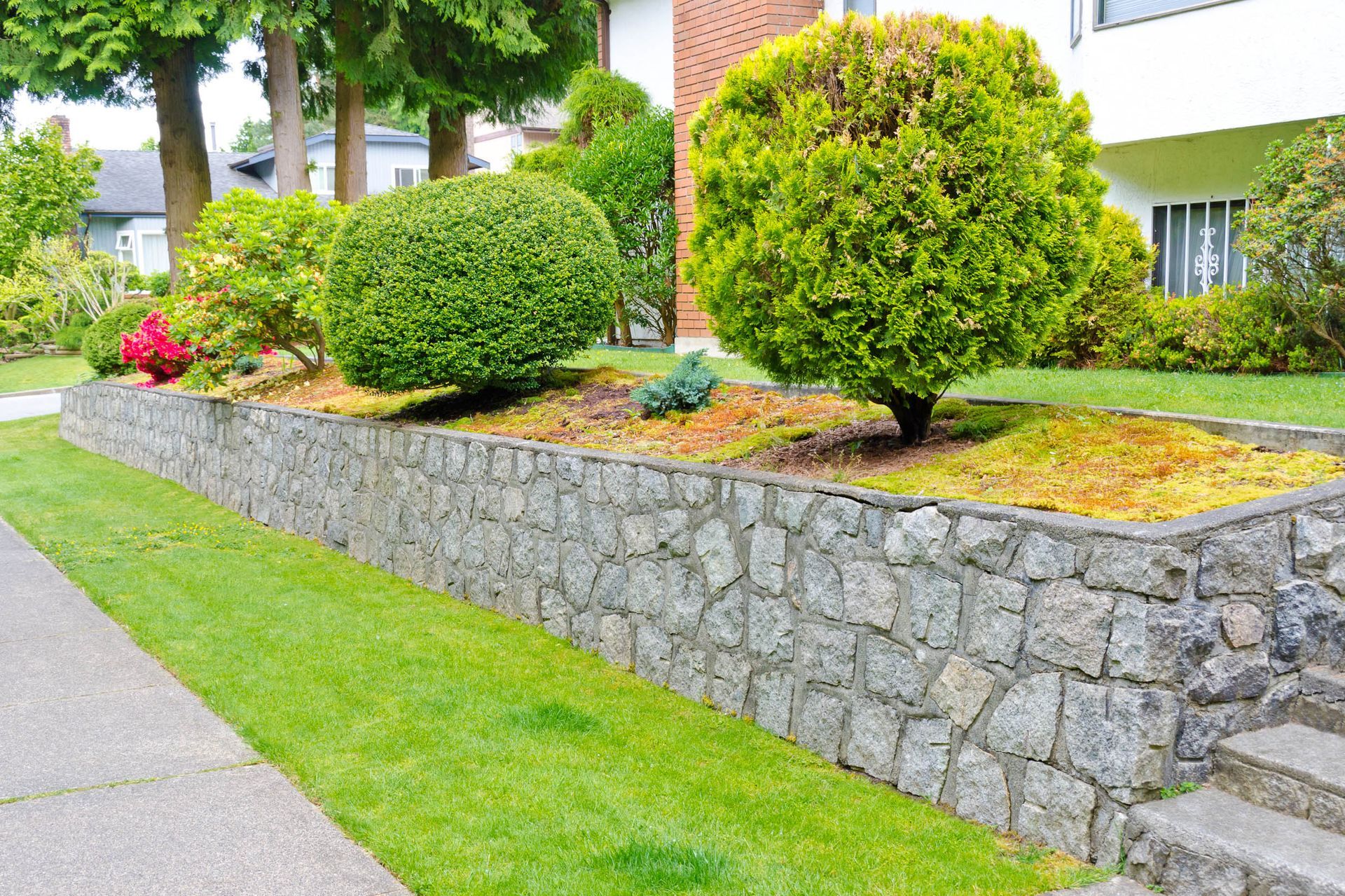
Hardscaping and softscaping are the two main components of landscape design, each bringing distinct physical and visual qualities to an outdoor environment. Hardscape elements, including stone paths, concrete patios, retaining walls, and timber structures, provide physical form, stability, and spatial definition while establishing clear structural boundaries across the property. Softscape elements include living components like shade trees, flowering shrubs, perennial gardens, and fresh turfgrass, which add vibrant color, soft organic textures, and natural elegance to the overall property layout. The interplay between these rigid and flexible materials establishes the defining character of the entire outdoor environment.
A successful design thoughtfully integrates both hardscape and softscape elements to achieve a harmonious, balanced ecosystem across the entire property. Hardscape features provide the permanent structural framework that guides visual attention and organizes functional areas, while softscape elements soften rigid architectural lines and elevate the overall aesthetic atmosphere. By considering how these contrasting components interact across changing weather conditions and seasonal transitions, forward-thinking landscapers create inviting outdoor environments that feel unified, well-balanced, and visually engaging for everyone who visits the property. Achieving this equilibrium requires selecting construction materials that naturally complement the tones and textures of the chosen foliage.
Designing Sustainable Outdoor Ecosystems
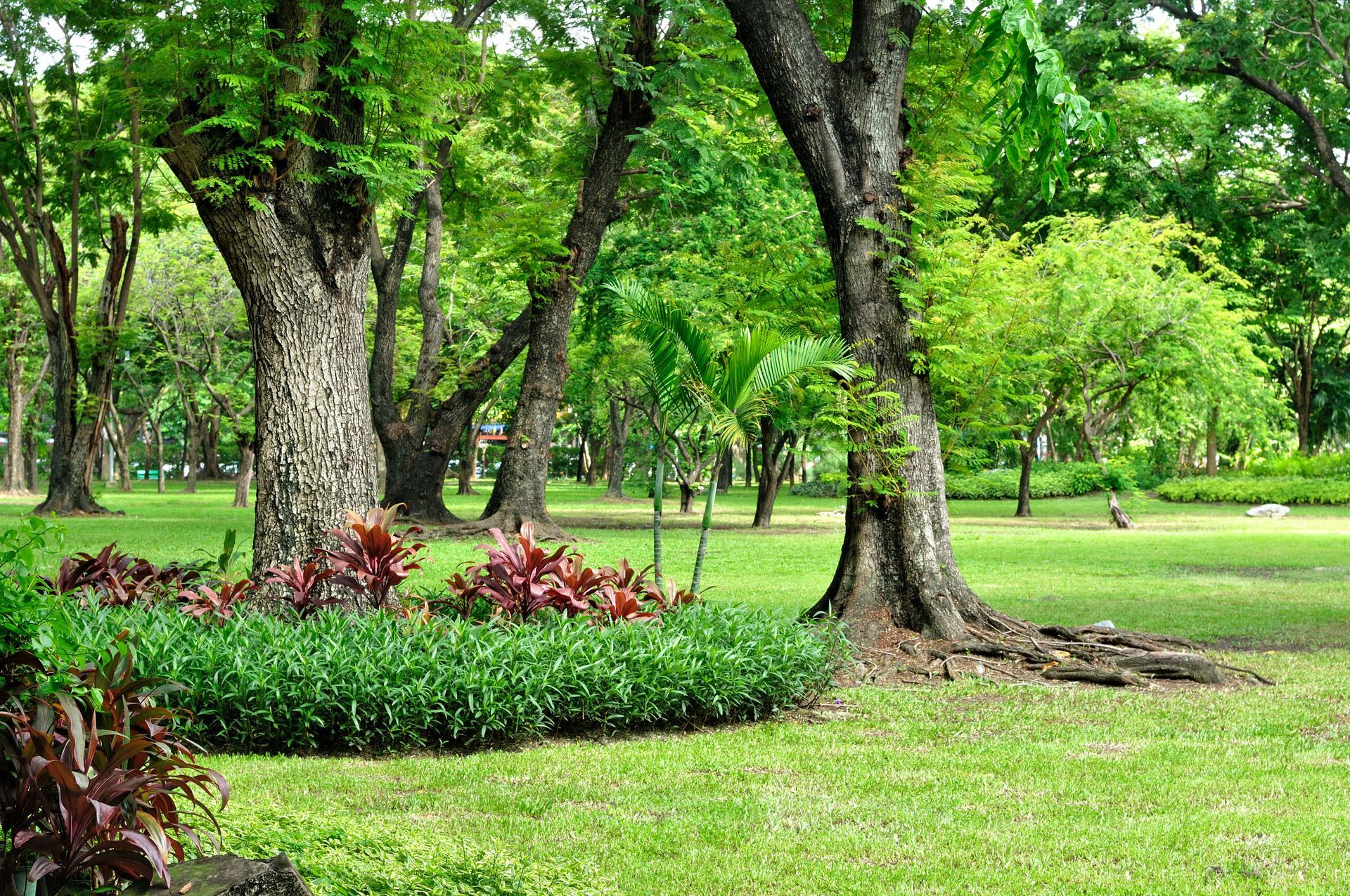
Environmental sustainability is increasingly vital in modern landscape design, guiding material selections and plant choices that minimize ecological impact while dramatically enhancing living green spaces. Sustainable practices include selecting native plant species that require less water, fertilizer, and manual intervention to maintain, thereby conserving local natural resources over extended periods of time. Strategically placed canopy trees and dense native shrubs can also lower household energy demands by offering natural cooling windbreaks during winter and direct shade protection from extreme summer sunlight exposure. Modern eco-friendly installations demonstrate that environmental responsibility and luxurious property design can coexist effortlessly.
Beyond plant selection, long-term environmental sustainability is achieved through responsible water management practices, such as installing high-efficiency drip irrigation systems and permeable ground surfaces that reduce stormwater runoff. Rapid composting techniques and organic soil treatments improve biological soil health naturally, supporting robust plant growth without heavy reliance on harsh chemical inputs or synthetic fertilizers. Sustainable designs prioritize local ecosystems, allowing professional landscapers to contribute to long-term environmental health, reduced municipal water consumption, lower ongoing maintenance costs, and total landscape longevity for property owners. Implementing these conservation measures safeguards the surrounding environment while drastically reducing monthly utility expenses.
Assessing Sites for Lawn Installation
Before establishing a new lawn, assessing and preparing the underlying soil foundation is critical for long-term turf health, rapid seed germination, and strong root establishment. Evaluating soil pH balance, compaction levels, drainage capacity, and organic nutrient content helps specialists identify precise amendments needed to support healthy, long-term grass development. Preparation involves removing unwanted rocks and debris, aerating dense subsoil layers, and grading terrain to eliminate low spots that collect standing water, establishing a smooth base for optimal root expansion and vibrant turf growth. Skipping these fundamental soil preparation steps almost always leads to patchy growth and premature lawn failure.
Climatic conditions and daily sunlight patterns also heavily influence the choice of grass variety for a brand-new turf installation project. When matched appropriately to their climate, grasses not only establish faster but also exhibit better resilience to local challenges like drought and frost. According to HomeGuide, establishing a completely new lawn can require up to 30 days of growth time, making quick acclimation critical for reducing this period, especially when external conditions are demanding. Evaluating microclimates across different areas of the property ensures that knowledgeable landscapers select a grass species tailored to specific light levels.
Integrating Lawns With Existing Features
Incorporating a new lawn into an established property layout requires ensuring seamless visual transitions between all existing features and fresh turf zones. Existing canopy trees, mature garden beds, natural rock outcroppings, and built hardscape structures provide physical boundaries that dictate where green turf should flow naturally across the yard. By assessing the site holistically, spatial designers can position the lawn to complement current site features, highlight architectural strengths, and enhance overall visual continuity across the entire outdoor space. Respecting mature trees and established plant roots prevents accidental damage during the turf laying process.
Strategic edging materials and complementary flower bed plantings enhance these integrations, creating unified patterns that draw the eye naturally across the property. Combining contrasting colors between turf grass, flowering beds, organic foliage, and structural hardscapes produces a dynamic outdoor space that evolves gracefully with changing seasonal conditions. Proper visual coordination transforms separate outdoor areas into a single unified space that elevates total property value, architectural appeal, environmental value, and everyday functional usability for homeowners. Creative landscapers rely on these harmonious transitions to establish a polished look that elevates the entire neighborhood standard.
Selecting the appropriate turf variety, establishing efficient watering schedules, and maintaining optimal soil conditions are all crucial steps in building a vibrant, healthy lawn that lasts for decades. Beyond immediate visual appeal, a well-designed lawn enhances local ecosystems, controls soil erosion, absorbs atmospheric carbon dioxide, cools surrounding air temperatures, and provides a comfortable space for outdoor family recreation. Working with knowledgeable field experts ensures that grass varieties and companion plant choices align perfectly with long-term regional climate conditions and unique site specifications. Investing in professional planning guarantees that your outdoor space remains resilient against seasonal weather extremes.
Collaborating with the dedicated service team at Abarca Landscape allows you to turn your outdoor vision into a thriving, beautifully integrated reality. Our professional
landscapers combine deep botanical expertise with creative design strategies to craft custom outdoor spaces tailored to your unique lifestyle and property needs. Contact us today to schedule your comprehensive site consultation and begin transforming your residential or commercial property into a stunning, functional sanctuary. Partnering with industry experts saves valuable time while ensuring your property achieves its highest aesthetic and functional potential.