September 16, 2026
Understanding the transformative power of a well-designed landscape is important for homeowners who want to improve the appearance, functionality, and long-term enjoyment of their property. A thoughtful outdoor design can create inviting gathering spaces, improve curb appeal, support healthier plants, and make difficult areas of a yard more useful. Whether the goal is a peaceful garden retreat or an outdoor entertainment area, working with local landscapers can help turn ideas into a practical plan. Professionals bring design experience, knowledge of regional conditions, and an understanding of materials and plants that can contribute to a successful project.
Identifying Your Landscaping Goals
The first step in planning a landscape is determining what you want the finished space to accomplish. Some homeowners prioritize curb appeal, while others want room for recreation, entertaining, gardening, or relaxation. Identifying these priorities early helps guide decisions about plants, hardscapes, lighting, pathways, and other features. Local landscapers can evaluate your ideas and explain how they might work within the available space. According to HomeGuide, depending on the specific upgrades completed, professional landscaping can increase a home's market value by anywhere from 10% to 30%, emphasizing the potential importance of strategic planning.
Think about how the property is currently used and how those needs could change over time. A family may want an open lawn today but eventually need additional seating, shade, or garden space. Considering both immediate and future uses can result in a design that remains functional for years rather than requiring significant alterations shortly after installation.
Evaluating Existing Landscape Conditions
Before creating a detailed design, the existing property should be carefully evaluated. Soil quality, drainage, sunlight, slopes, established vegetation, and available space can all influence what is practical. Areas that regularly collect water may require drainage improvements, while dry or exposed locations might benefit from drought-tolerant plants. Local landscapers are familiar with many regional growing conditions and can recommend solutions suited to the property rather than relying on a one-size-fits-all approach.
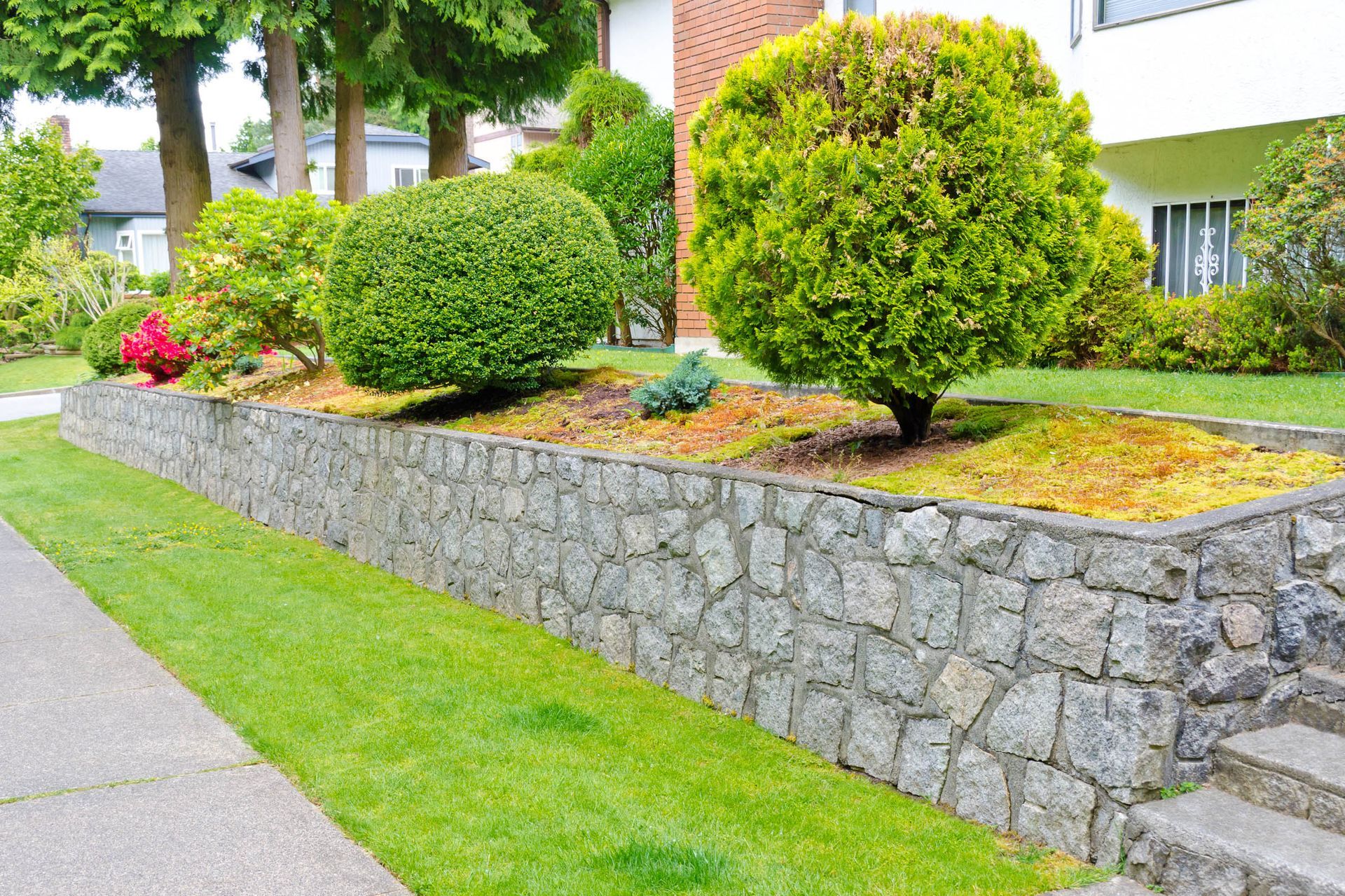
Existing features should also be considered before deciding what needs to be removed. Mature trees, healthy shrubs, retaining walls, and established pathways may be incorporated into the new plan when appropriate. Preserving useful elements can help control costs while giving the redesigned landscape a more established appearance.
Choosing a Style and Design Theme
Landscape style helps create visual consistency throughout the property. Homeowners may prefer a formal garden, contemporary layout, naturalistic planting scheme, cottage-inspired landscape, or another aesthetic. Architecture should also influence these decisions so that the outdoor environment complements the house rather than appearing disconnected from it.
Specific features can then be selected to reinforce the chosen theme. Water features, patios, fire pits, decorative stone, garden beds, privacy plantings, and seating areas can become focal points when positioned thoughtfully. Colors, textures, shapes, and materials should work together to create continuity as visitors move through the property.
Establishing a Realistic Budget
A clear budget helps homeowners prioritize improvements and make informed decisions throughout the project. Costs can vary substantially depending on the amount of site preparation, plant material, grading, irrigation, hardscaping, lighting, and structural work required. Discussing the available budget with local landscapers allows the design to be developed around realistic financial expectations.
When a complete transformation cannot be completed at once, the project may be divided into phases. Essential drainage or structural work might come first, followed later by planting beds, lighting, decorative features, or additional gathering areas. Planning these phases from the beginning helps ensure that work completed today will support rather than interfere with future improvements.
Selecting the Right Landscaping Professional
Researching potential professionals is an important part of the planning process. Portfolios can demonstrate experience with particular styles, property sizes, materials, and landscape challenges. Homeowners can also review references and customer feedback to learn more about communication, reliability, workmanship, and the company's ability to complete projects according to agreed expectations.
Consultations provide an opportunity to discuss the property in detail. Ask about the design process, project scheduling, proposed materials, maintenance expectations, and how unexpected conditions are handled. Quotes should clearly explain the work and services included. Comparing proposals based on scope and value rather than price alone can help homeowners make a more informed choice.
Developing a Detailed Landscape Plan
Once a professional has been selected, conceptual ideas can be developed into a detailed plan. The design may establish planting areas, walkways, patios, lawn sections, lighting, irrigation, and other features. Local landscapers can help balance appearance with practical concerns such as circulation, maintenance, drainage, privacy, sun exposure, and available space.
A detailed plan also reduces uncertainty during installation. Measurements, materials, plant locations, and construction details can be established before physical work begins. Homeowners should review the plan carefully and request revisions before installation when something does not align with their expectations.
Selecting Plants and Hardscape Materials
Plant selection can have a major influence on the appearance and maintenance requirements of the finished landscape. Species should be chosen according to soil conditions, sunlight, moisture needs, mature size, seasonal appearance, and climate suitability. Mixing trees, shrubs, grasses, flowers, and ground covers can create depth while providing visual interest throughout different seasons.
Hardscape materials require similar consideration. Stone, pavers, brick, concrete, gravel, and wood each offer different appearances, maintenance requirements, and levels of durability. Materials should complement the house and surrounding plantings while being appropriate for their intended purpose. Choosing durable products can reduce future repairs and help heavily used areas withstand weather and regular foot traffic.
Incorporating Sustainable Design Practices
Sustainability can be integrated into a landscape without sacrificing appearance. Native and regionally appropriate plants may require less supplemental water once established and can provide resources for local wildlife. Mulching planting beds can help conserve moisture, moderate soil temperatures, and limit weed growth.
Efficient irrigation, rainwater management, permeable surfaces, and responsible soil improvement can further reduce environmental impact. Local landscapers may also identify areas where runoff can be managed through grading, drainage solutions, or suitable planting strategies. Considering these elements during the design phase is typically easier than attempting to correct water or maintenance problems after installation.
Preparing the Property for Installation
Installation generally begins with site preparation. Depending on the project, this can involve clearing unwanted vegetation, removing debris, grading the property, correcting drainage issues, and preparing soil. Completing foundational work correctly is important because problems beneath the finished landscape can eventually affect plants, patios, retaining walls, and other improvements.
Structural elements such as pathways, patios, walls, edging, and irrigation components are often installed before delicate plant material. This sequence helps limit unnecessary disturbance. Trees, shrubs, flowers, sod, and mulch can then be added according to the approved design. A final inspection allows homeowners and contractors to identify adjustments before the project is considered complete.
Planning Irrigation and Drainage
Water management is essential to landscape performance. Too little water can stress vegetation, while excessive moisture can contribute to root problems, erosion, standing water, and damage to hardscape features. Irrigation systems should distribute water according to the needs of different planting zones rather than treating the entire property identically.
Drainage should direct excess water away from vulnerable areas without creating problems elsewhere. Swales, drains, grading, permeable surfaces, and strategically selected vegetation are among the solutions that may be considered. Designing irrigation and drainage together creates a more balanced approach to managing water throughout the property.
From establishing goals and selecting materials to installation and ongoing maintenance, each decision contributes to the finished environment. A landscape that responds to the property's natural conditions while reflecting the homeowner's preferences can become an extension of the living space. With thoughtful planning, realistic budgeting, and consistent care, outdoor improvements can continue providing practical and visual benefits for many years. Contact Abarca Landscape today and learn more about our landscaping services.