May 11, 2026
Creating a perfect landscape involves more than just aesthetics. It requires thoughtful planning and a clear understanding of how to select plants that thrive in your environment while complementing your landscape design. This article will guide you through the essential steps of choosing the right plants for your landscaping project. With the right knowledge and planning, you can ensure that your landscape is not only visually appealing but also sustainable and easily maintainable. By the end of this guide, you will have the confidence to make informed decisions about plant selection, placement, and care.
Understanding Your Local Climate and Soil Conditions
Researching Climate Zones
The foundation of successful plant selection begins with understanding climate zones, specifically the plant hardiness zones outlined by the USDA. These zones categorize regions based on their average annual minimum winter temperatures. Knowing your zone helps in selecting plants that will survive and thrive in your specific location. Plants that are suitable for your zone are more likely to withstand temperature fluctuations, frost, and other climatic conditions. This knowledge is crucial, especially when investing in perennials and trees that are expected to endure for many years.
Assessing Soil Type
Your soil type plays a significant role in plant health and growth. Assessing soil involves understanding its pH, texture, and drainage capacity. Soil tests can reveal whether your soil is acidic, neutral, or alkaline, influencing which plants will flourish. Additionally, well-draining soil prevents root rot, which is particularly important for drought-tolerant species. Improving soil quality with organic matter can enhance plant growth and ensure that your plants receive the necessary nutrients.
Considering Microclimates
Even within a single yard, microclimates can exist, affecting how plants grow. Factors such as sunlight, wind, and moisture levels create these localized climate variations. Understanding microclimates allows you to place plants in areas where they are most likely to thrive. For example, shade-loving plants may not do well in direct sunlight, while sun-loving plants might not flower prolifically in shady spots. Taking advantage of microclimates can help create a more diverse and resilient landscape.
Defining Your Landscaping Goals
Establishing Aesthetic Preferences
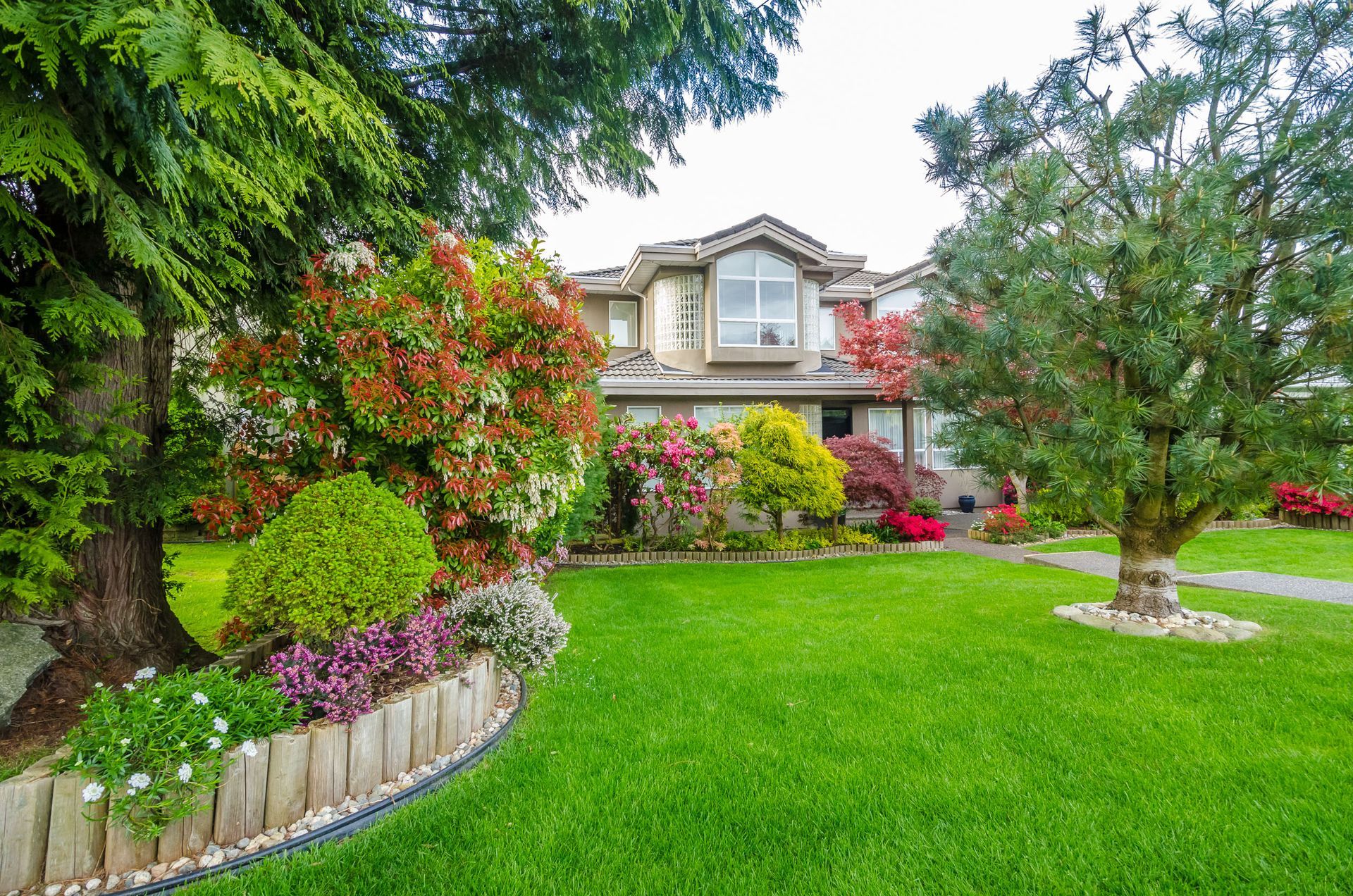
Your garden should reflect your personal style; thus, identifying your aesthetic preferences is essential. Consider plant forms, colors, and textures that align with your vision. For instance, a modern landscape may feature sleek, architectural plants, while cottage gardens focus on free-flowing florals. Understanding plant characteristics can help blend them seamlessly within your landscape design. It’s about achieving harmony and balance in your landscape that satisfies your personal aesthetic taste.
Setting Functional Objectives
Functional objectives guide your plant selection based on the purpose you wish to achieve. Whether you aim to establish a privacy screen, provide shade, or create a habitat for wildlife, plant choice will vary. For privacy, dense shrubs or fast-growing trees might be ideal. To attract pollinators, consider flowering plants that provide nectar and pollen. Clearly defining these objectives will lead to a more structurally and environmentally functional garden.
Creating a Sustainable Landscape
Sustainability is a key trend among modern landscapers and gardeners. The integration of native and drought-tolerant plants not only conserves water but also maintains ecological balance. These plants are adapted to local conditions and require fewer resources to thrive. There is a growing inclination toward these choices, with 67% of homeowners opting for native plants, according to Gitnux. By prioritizing sustainable practices, you contribute positively to the environment and community.
Evaluating Plant Characteristics
Understanding Plant Growth Habits
Each plant exhibits unique growth habits that influence how they fit into a landscape. For instance, some plants can quickly spread and cover ground, while others may grow tall and serve as focal points. Recognizing these habits helps in planning space and prevents overcrowding. These characteristics also determine plant placement based on their mature size and compatibility with surrounding species. Thoughtful consideration of growth habits leads to a well-balanced and cohesive garden.
Considering Seasonal Interest
An appealing garden maintains its charm throughout the seasons by incorporating plants that offer varying seasonal interests. Evergreens provide year-round foliage, while deciduous shrubs and perennials offer bursts of color in spring and summer. Additionally, berries and winter blooms can provide visual interest during colder months. Planning for seasonal transitions ensures continuous beauty and encourages biodiversity. A garden designed for year-round appeal is a constant source of enjoyment.
Examining Plant Longevity
The lifespan and growth cycle of plants impact landscape design. Annuals provide vibrant color and must be replanted each year, whereas perennials and biennials offer longer-lasting displays. Understanding the lifespan of plants aids in planning both for constant change and stability. Mixing plants with different growth cycles can lead to dynamic landscapes that evolve. By considering longevity, you ensure a balance between new plantings and established growth.
Exploring Different Plant Types
Selecting Trees and Shrubs
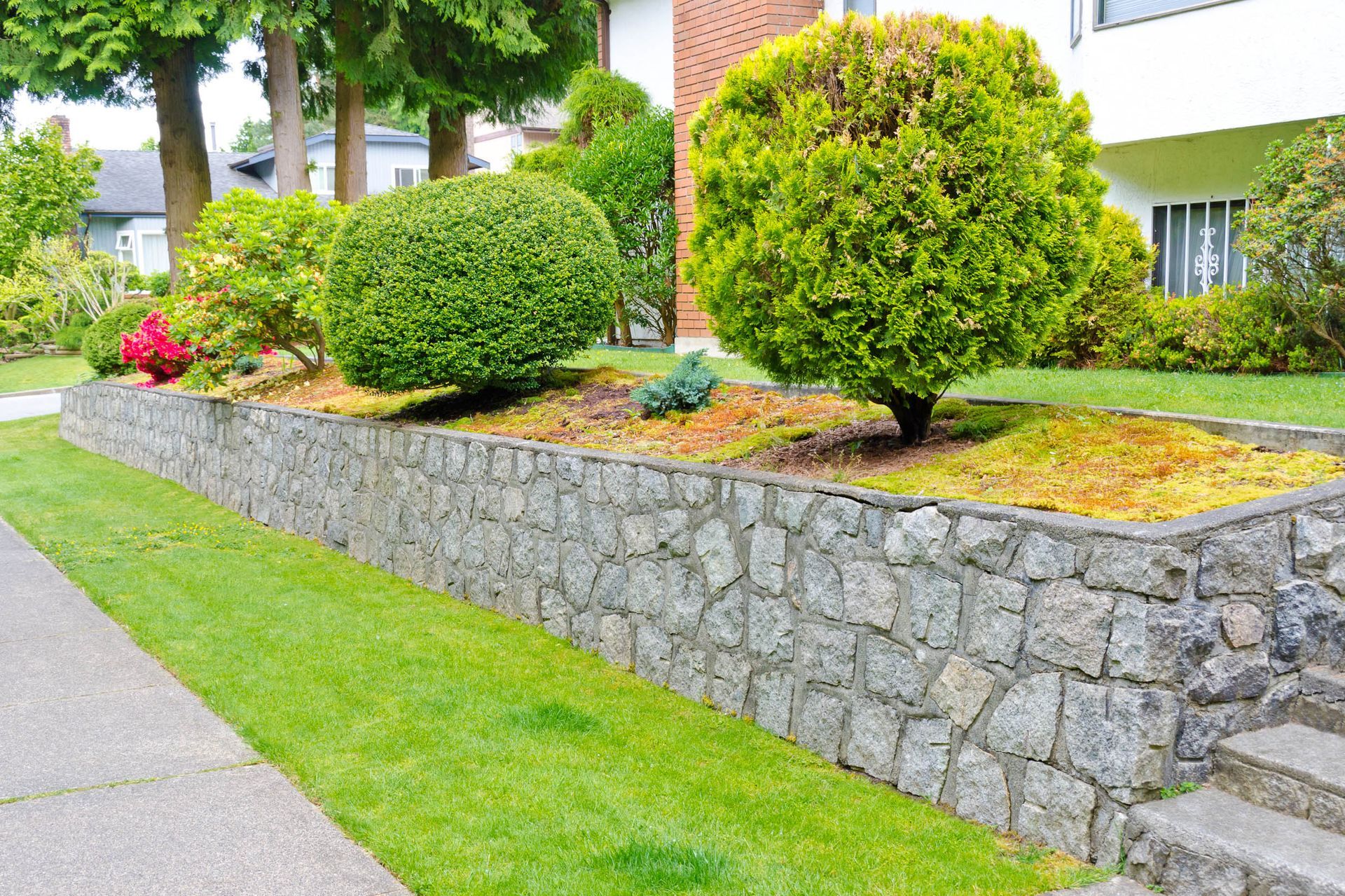
Trees and shrubs form the backbone of a well-designed landscape, adding structure and depth. They provide habitat and resources for wildlife and help regulate microclimates due to their shading abilities. Deciduous shrubs, for example, lose foliage seasonally, offering a cycle of change, while evergreens maintain a constant presence. Selecting the right mix of trees and shrubs can also enhance privacy and aesthetic appeal. It's essential to consider their mature size to ensure they fit harmoniously into your design without overcrowding.
Incorporating Ground Covers
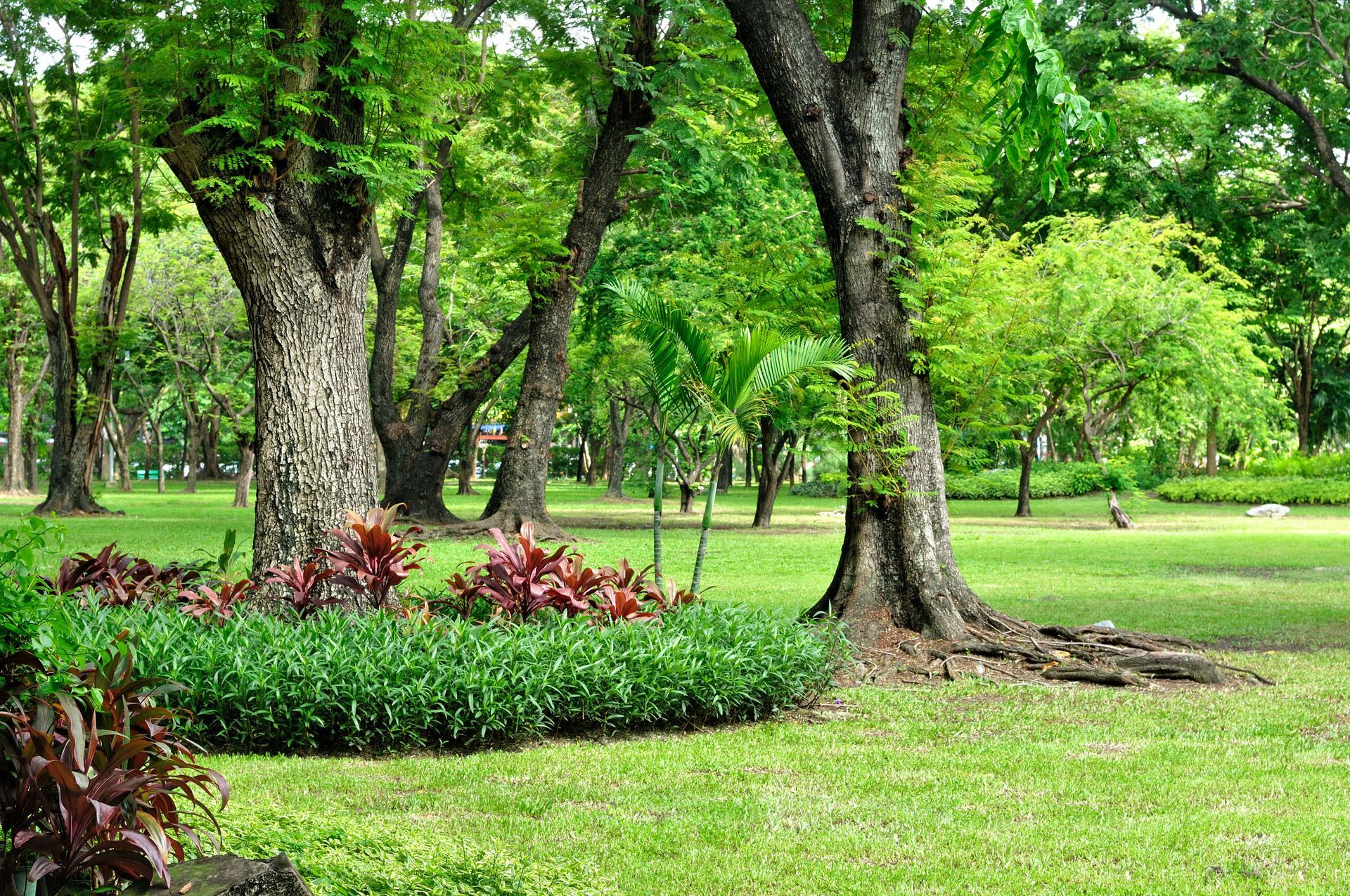
Ground covers play a crucial role in protecting the soil and suppressing weed growth. These low-lying plants spread quickly and can fill in gaps, creating a unified and lush appearance. They require minimal maintenance and can thrive in various light conditions, from partial shade to full sun. Additionally, ground covers help retain soil moisture, providing an environmentally friendly means of conserving water. Using ground covers strategically can enhance soil health and add texture to your landscape.
Adding Ornamental Grasses
Ornamental grasses offer unique movement and texture to your landscape design. Their flowing, feathery plumes sway gracefully in the breeze, adding dynamic activity. These grasses are often drought-tolerant and require minimal upkeep, making them a practical choice. They also provide winter interest as their dried stalks continue to add structure and visual appeal. Incorporating ornamental grasses enhances the sensory experience of a garden and complements other plant types effectively.
Sourcing and Purchasing Plants
Visiting Local Nurseries
Buying plants from local nurseries offers several advantages, such as acclimation to regional conditions. Local nurseries often provide expert advice and recommendations tailored to your specific microclimate and soil. Supporting these businesses also contributes positively to the local economy and community. Visiting in person allows you to inspect plant health firsthand, ensuring quality selections. Purchasing locally facilitates easier returns or inquiries, enhancing customer satisfaction.
Ordering from Online Retailers
Online shopping has expanded options for purchasing plants, granting access to a wider variety than local sources might offer. When ordering online, ensure you select trustworthy retailers with positive reviews and thorough product descriptions. Careful attention to shipping terms, guarantees, and return policies can help mitigate risk. Ordering plants online allows for the convenience of home delivery and potential cost savings through discounts and promotions. However, understanding the limitations and considering transit stress on plants is essential.
Choosing the right plants for your landscape design is a balanced task of research, planning, and personal expression. With careful consideration of climate, soil, design goals, and plant characteristics, you can create a vibrant and thriving landscape that enhances your outdoor space and provides ongoing joy and satisfaction. Integrating a diverse range of plants promotes resilience, biodiversity, and environmental stewardship. By understanding underlying physical, ecological, and aesthetic components, you cultivate a landscape that stands the test of time. An informed approach inspires confidence in crafting sustainable and aesthetically pleasing outdoor areas reflecting individual style and commitment to nature.
Ready to turn your backyard into a masterpiece? Contact Abarca Landscape today for a professional consultation and let our experts craft your custom landscape design.