May 11, 2026
In the evolving world of outdoor design, a beautiful yard is no longer just about aesthetics—it’s about creating a functional, sustainable sanctuary. Homeowners today are looking for ways to balance striking visual appeal with responsible resource management. From the water-saving brilliance of xeriscaping to the seamless integration of smart technology, modern landscaping is redefining how we interact with our environment. By prioritizing drought-tolerant native plants and precision irrigation, you can enjoy a vibrant, low-maintenance garden that thrives in our local climate. Whether you’re dreaming of a structured geometric patio or a tranquil water feature, the key is a design that respects nature while elevating your lifestyle.
Sustainable Landscaping Practices
Xeriscaping is a water-efficient landscaping method that minimizes the need for irrigation. By utilizing drought-tolerant plants and optimizing soil composition, this technique helps conserve water while ensuring a vibrant and sustainable garden. It can involve the use of mulches, native plant groupings, and efficient watering systems to maintain moisture levels without waste. Homeowners can also enhance their xeriscaped gardens with stone features that reduce runoff and enrich the overall design. This practice not only supports water conservation but also reduces maintenance effort, making it an attractive option for modern spaces.
Rainwater harvesting presents a practical approach to reducing water consumption and managing stormwater runoff. Systems can range from simple rain barrels to more complex collection setups integrated into a home’s gutter system. Collected rainwater can be effectively used to irrigate gardens, reducing dependency on municipal water supplies. Furthermore, this method aligns well with the principles of sustainable landscaping, emphasizing resource conservation and environmental stewardship. Implementing rainwater harvesting promotes eco-friendly practices while ensuring adequate water availability for landscape maintenance.
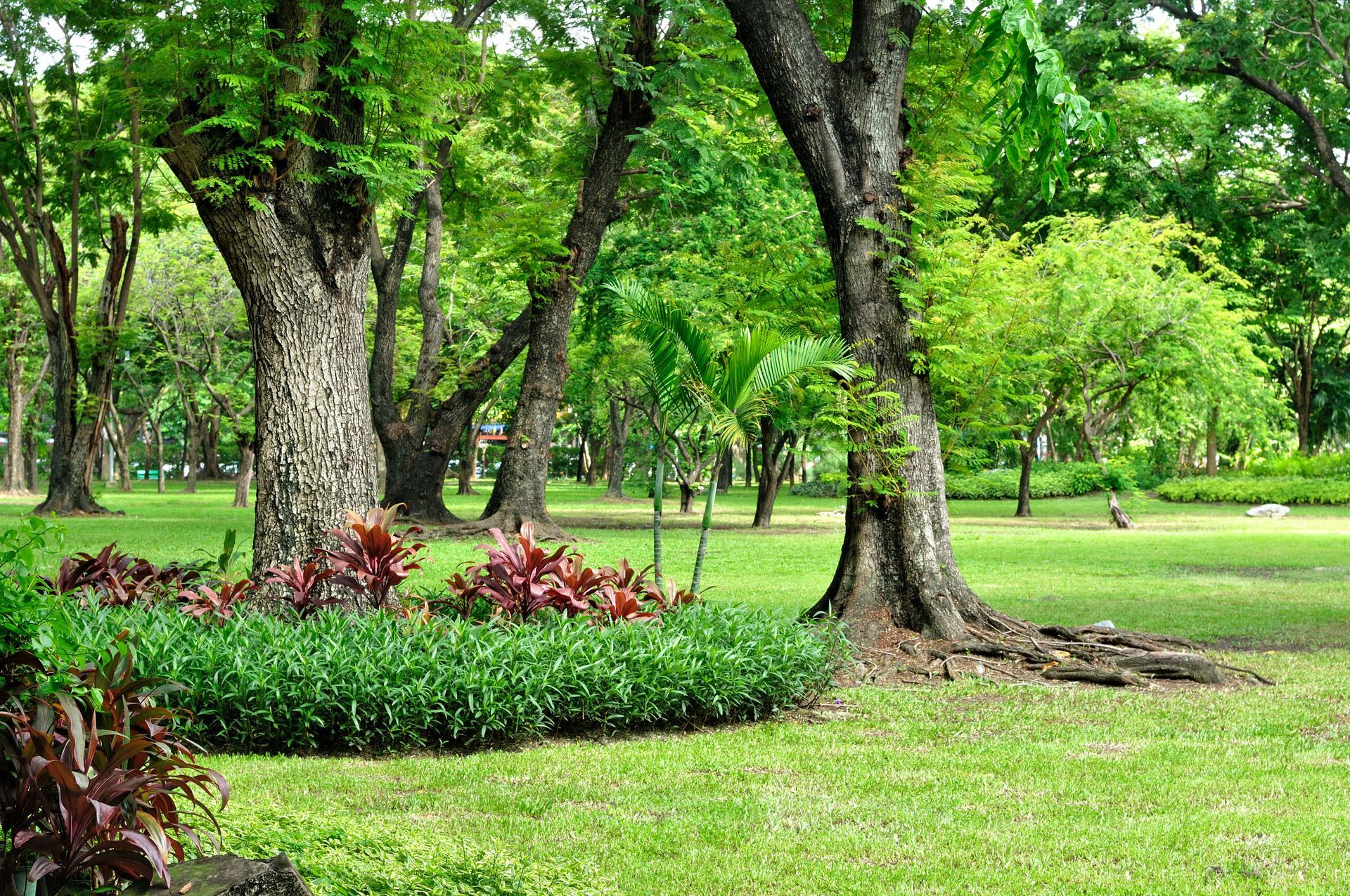
Incorporating native plants in landscape design offers numerous ecological benefits, supporting biodiversity and reducing maintenance. Native species are adapted to local climates and soil conditions, resulting in healthier growth and reduced water needs. They can attract pollinators, such as bees and butterflies, contributing to the ecological balance of the area. Using native vegetation also minimizes the risk of invasive species, which can otherwise disrupt local ecosystems. By weaving indigenous plants into landscape designs, homeowners can create vibrant, low-maintenance environments fostering sustainable cohabitation with nature.
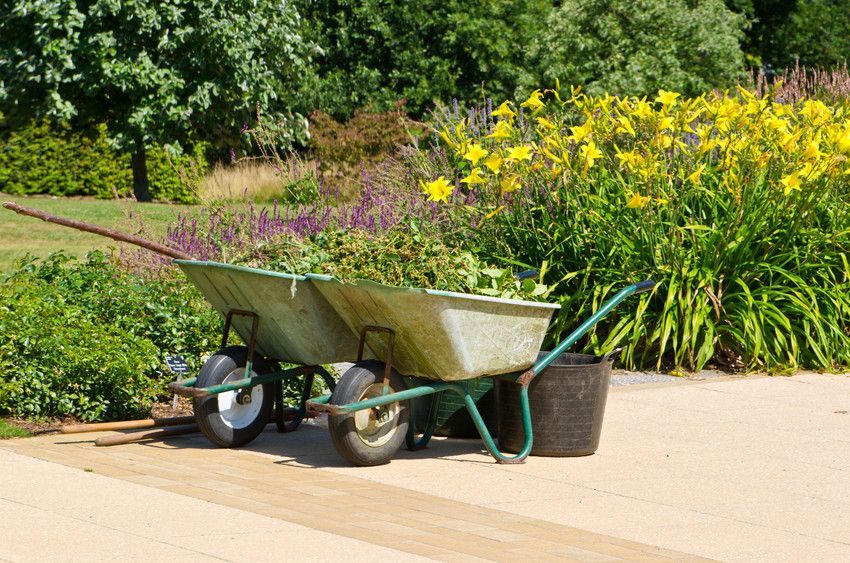
Composting is a pivotal practice in sustainable gardening, enhancing soil quality while managing organic waste. By recycling kitchen scraps and yard waste, homeowners create nutrient-rich compost that enriches garden beds and supports plant growth. Improving soil health through composting reduces reliance on chemical fertilizers, promoting a more organic approach to gardening. Rich soil also aids in water retention, making it a vital component of efficient irrigation strategies. Adopting composting practices not only sustains garden vitality but also aligns with eco-conscious living.
Incorporating Smart Technology
Automated irrigation systems revolutionize garden maintenance by optimizing water use and minimizing manual labor. These systems, which can be tailored to specific plant needs and soil types, ensure efficient watering schedules are followed. Smart irrigation technologies often use sensors to monitor soil moisture and weather conditions, adjusting water delivery accordingly. This adaptability not only conserves water resources but also promotes healthier plant growth by preventing over-irrigation. Implementing automated irrigation is an investment that enhances both the sustainability and convenience of outdoor space management.
Smart lighting solutions transform outdoor environments by offering customizable and energy-efficient illumination options. These systems can be controlled via smartphone apps, allowing users to adjust brightness, color, and timing with ease. The integration of motion sensors and timers enhances security and energy efficiency, ensuring lights operate only when needed. In addition to practical benefits, smart lighting can accentuate landscape features, contributing to the aesthetic appeal of the space. Investing in outdoor smart lighting reflects a synthesis of technology and design innovation, enriching the outdoor experience.
Weather-responsive adjustments in modern landscape design involve the integration of smart systems that adapt to changing environmental conditions. These systems can automatically alter irrigation schedules, lighting, and other features based on real-time weather data, enhancing resource efficiency. In particular, irrigation systems that adjust to rainfall and temperature fluctuations prevent water waste and promote optimal plant health. Similarly, outdoor lighting can be programmed to respond to day length changes, ensuring consistent illumination. By embracing these technologies, homeowners can maintain robust outdoor environments while reducing their ecological footprint.
Enhancing outdoor space security through smart technology integration offers peace of mind for homeowners. Smart security systems can include features such as motion-activated cameras, automated lighting, and alarm alerts, all accessible via mobile devices. This connectivity allows for real-time monitoring and control, enhancing the effectiveness of security measures. Automated lighting that activates in response to movement can deter intruders while also supporting energy-efficient practices. Comprehensive smart security solutions demonstrate the potential of technology to safeguard and enhance outdoor living areas.
Hardscaping for Modern Aesthetics
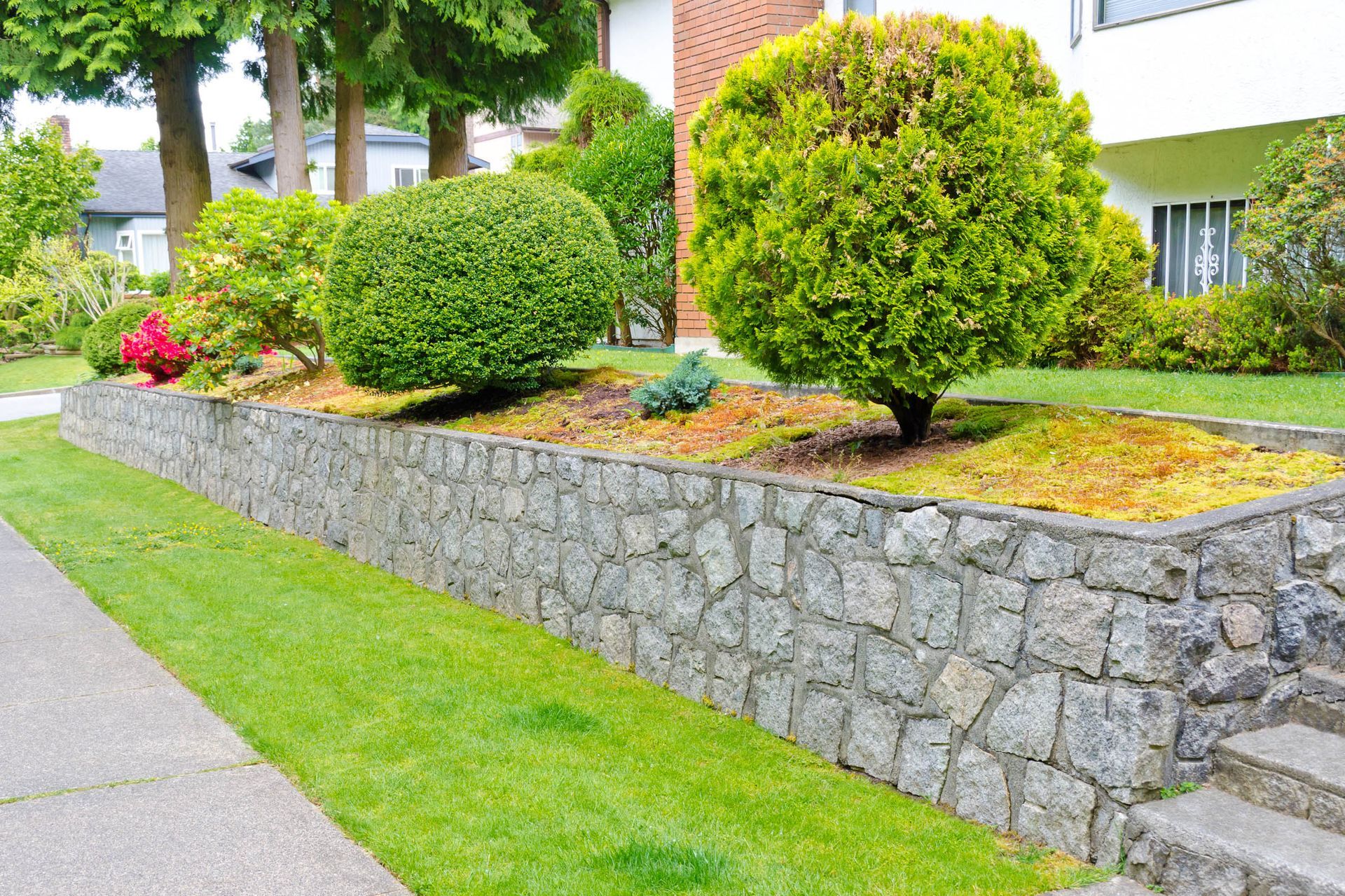
The selection of materials in hardscaping is paramount to achieving sustainable and visually appealing landscape designs. With durability and aesthetics in mind, materials such as natural stone, concrete, and sustainably sourced wood can create harmonious outdoor settings. Pavers, a popular choice for many hardscape projects, stand out for their longevity, as they can last up to 100 years, according to HomeLight, and their capacity for individual section replacement. This feature allows homeowners to maintain their aesthetic appeal without a total overhaul, promoting resource efficiency. By carefully selecting hardscaping materials, designers can create enduring landscapes that enhance outdoor spaces.
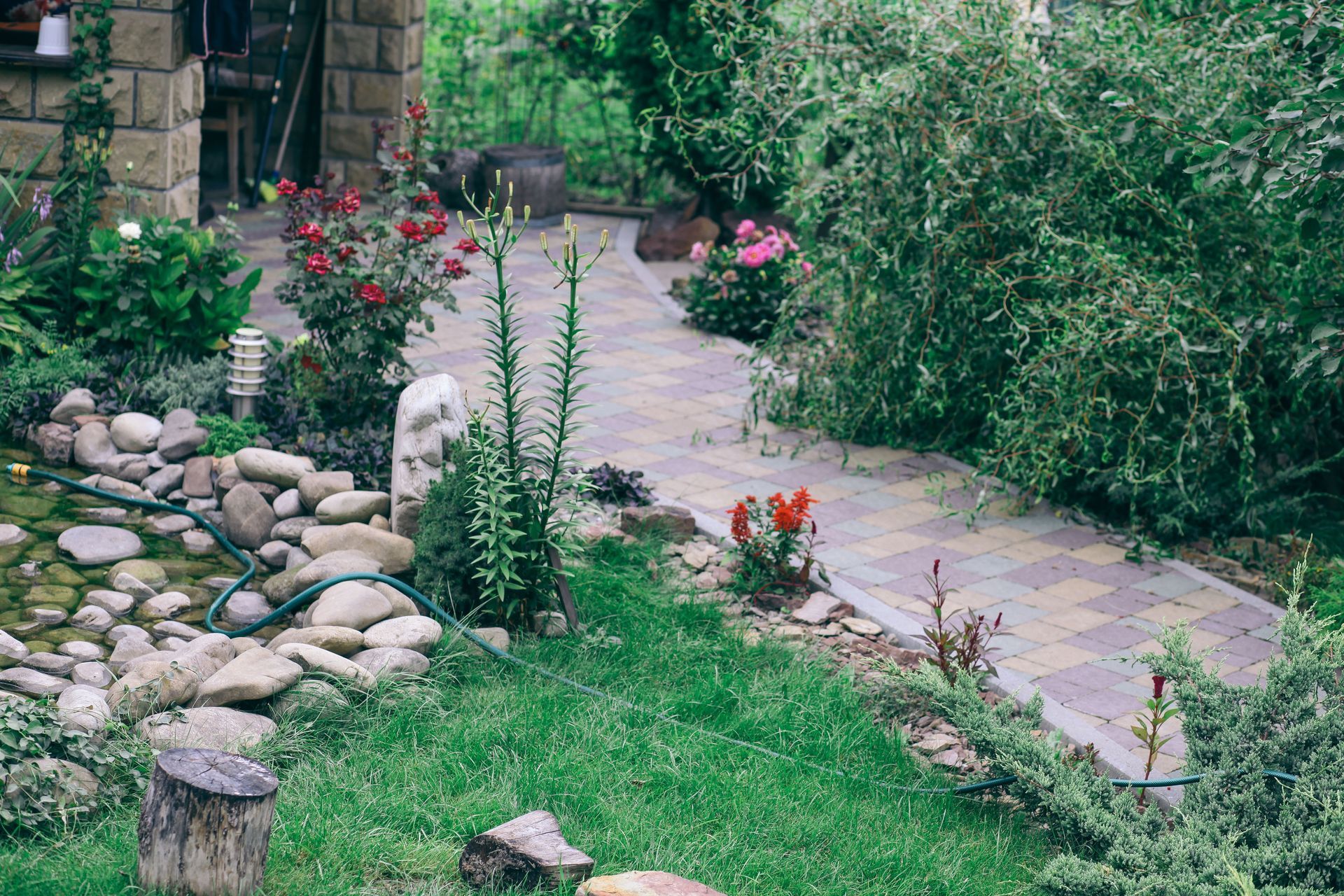
Geometric layouts play a crucial role in modern landscape design, providing structure and visual interest through defined lines and patterns. These designs create a sense of order and coherence, enhancing the spatial perception of outdoor areas. The use of clean lines and geometric shapes can complement natural elements, striking a balance between contemporary design and organic beauty. Designers often employ symmetry and repetition in pathways, patios, and plant arrangements to achieve harmonious compositions. Implementing geometric layouts underscores the fusion of art and architecture in landscape design, elevating the aesthetics of outdoor environments.
Water features such as fountains, ponds, and waterfalls are staples of modern landscape design, offering dynamic visual and auditory elements. They enhance the sensory experience of outdoor spaces and can serve as focal points within a design, contributing to its overall ambiance. In addition to aesthetic benefits, water features introduce moisture into the environment, supporting plant health and maintaining biodiversity. Implementing energy-efficient technology in water features reduces maintenance and aligns with sustainable, eco-friendly landscaping principles. Water features exemplify the harmonious integration of natural elements in modern landscape aesthetics, creating tranquil outdoor retreats.
Seating areas and outdoor rooms are essential components of modern landscape design, transforming outdoor spaces into functional and inviting living areas. Thoughtfully designed areas can seamlessly integrate into the surrounding landscape, providing comfort and enhancing the utility of an outdoor space. These spaces can include dining areas, lounges, or relaxation zones that cater to diverse social and personal needs. Furniture selection and layout should complement the existing design elements, reinforcing the aesthetic and functional coherence. Creating outdoor rooms encourages the extension of indoor comfort to outdoor environments, fostering a more connected and versatile living experience.
Ready to turn your vision into a reality? Whether you’re looking for a complete sustainable redesign or a professional hardscape installation, Abarca Landscape is here to help. Contact us today to schedule your consultation and discover how we can create a sophisticated, eco-friendly landscape that perfectly fits your home!