July 30, 2026
Landscaping design and creating sustainable outdoor layouts can dramatically enhance both the aesthetic and functional value of a property. However, without proper strategic planning and structural understanding, many homeowners encounter incredibly costly mistakes during execution. This guide outlines expert tips and creative strategies to ensure a successful approach to landscape designing that is both beautiful and environmentally sustainable. By integrating these insights, homeowners can enhance the ecological balance of their immediate surroundings while adding immense value to the property's visual appeal. As sustainable practices become increasingly pivotal across numerous home improvement sectors, applying them to your yard has transformative potential for both environmental conservation and personal enjoyment.
Understanding Your Landscape's Needs
To create an enduring outdoor space, you must first evaluate the foundational variables of your yard. Understanding the local climate is crucial; for instance, arid zones require drought-resistant plants, while high-rainfall regions require robust drainage networks. Soil quality also directly dictates plant health, making it essential to test for pH levels and nutrient content before planting. Poor soil can be heavily amended with organic compost to match the needs of your selected greenery.
Furthermore, identifying natural water patterns prevents over-saturation, plant drowning, and costly erosion. Integrating native plant species naturally reduces long-term maintenance costs, as they adapt beautifully to local weather patterns without excessive fertilizers. Finally, recognizing property microclimates—the small-scale climate zones created by existing structures and shade trees—allows for optimized plant placement. Mastering these environmental factors ensures your overall landscape designing process is built upon a reliable, highly efficient, and scientifically sound foundation.
Incorporating Sustainable Design Principles
Sustainable landscaping emphasizes minimizing resource consumption while actively protecting the surrounding ecosystem. Prioritizing water conservation techniques, such as drip irrigation networks and rainwater harvesting systems, drastically reduces municipal water dependency. Drip lines deliver moisture directly to roots, eliminating evaporative waste. Choosing eco-friendly construction materials further lowers your environmental footprint. Utilizing recycled stone, sustainably sourced timber, and permeable paving elements effectively manages runoff while adding elegant textures to hardscapes.
Additionally, incorporating renewable energy solutions like solar-powered pathway lighting and wind-driven water features provides stunning nighttime illumination without inflating utility bills. Cultivating biodiversity by planting pollinator-friendly flowers invites vital wildlife, creating a balanced habitat for local birds and beneficial insects. Finally, reducing chemical inputs through organic mulching and integrated pest management safeguards groundwater. Embracing these core eco-friendly methodologies ensures your modern landscape designing efforts remain responsible, forward-thinking, and entirely harmonious with nature.
Designing Functional Outdoor Spaces
A truly successful yard balances environmental stewardship with human utility, turning raw open ground into purposeful living areas. Designing functional spaces requires creating distinct zones for daily relaxation, dining, and outdoor entertainment. Features like custom pergolas, stone patios, and functional outdoor kitchens seamlessly extend your home’s interior square footage into nature. Achieving a perfect balance between open recreational lawns and secluded privacy zones is equally essential. Property owners can use dense evergreen hedges, timber privacy fences, or vertical climbing gardens to create intimate spaces without obstructing natural light.
Safety and accessibility should always remain paramount, especially for households with young children or elderly family members. Installing non-slip pathways, smooth transit ramps, and bright walkway lighting mitigates nighttime accidents. Furthermore, dedicating safe play spaces for pets and children with non-toxic plants and secure perimeter fencing guarantees peace of mind. Incorporating comprehensive functionality into landscape designing ensures your property becomes a safe, practical, and highly enjoyable family haven.
Enhancing Aesthetics with Plant Selections
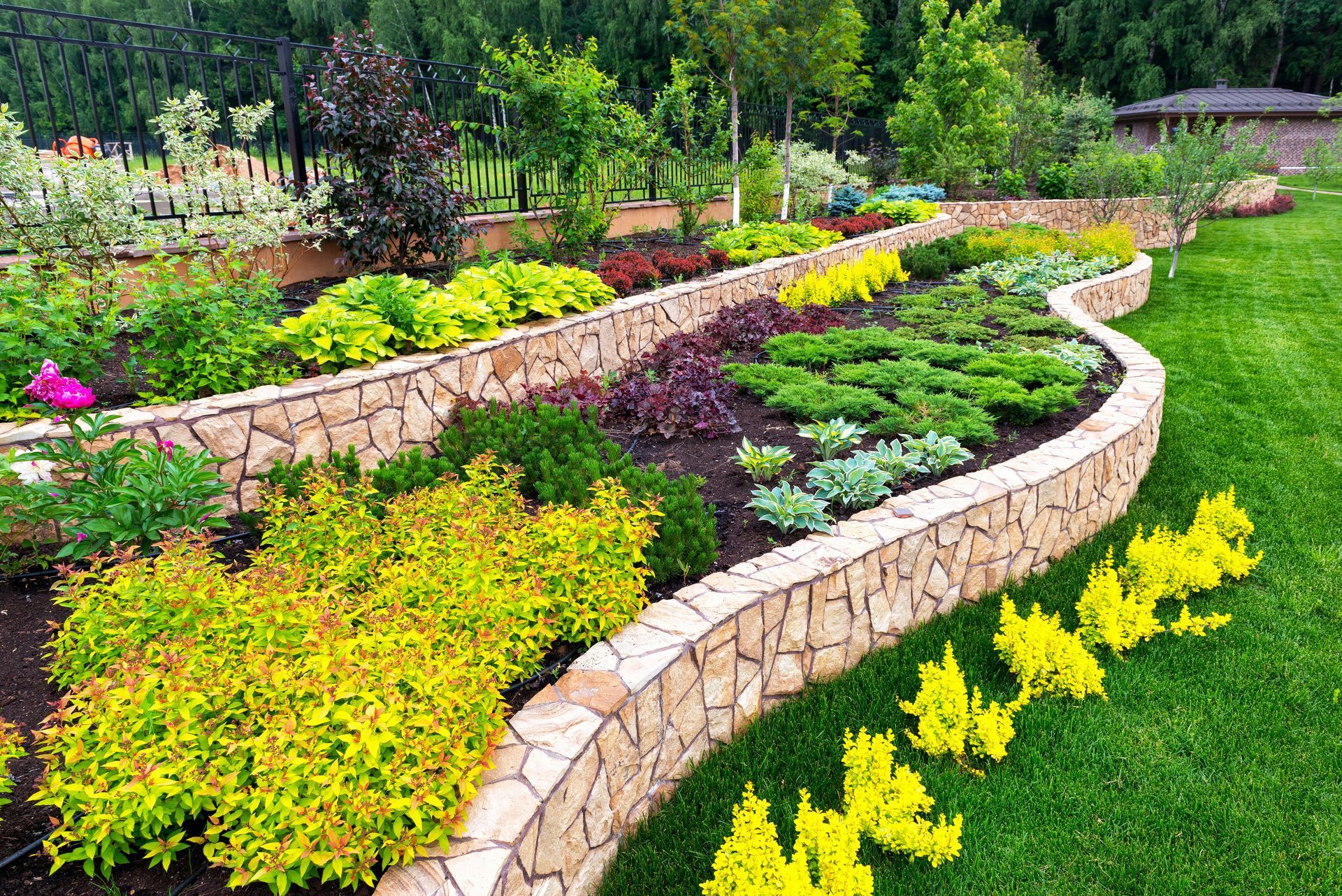
Visual allure is often the primary driver behind major outdoor renovations, achieved through deliberate and thoughtful plant curation. Selecting a balanced combination of seasonal blooms and reliable perennials ensures your garden maintains captivating, year-round visual interest. While perennials provide structural continuity, seasonal annuals inject vibrant, changing bursts of color. Integrating varied textures and contrasting foliage—such as broad-leaved hostas paired alongside delicate, wispy ornamental grasses—adds incredible artistic depth to garden beds.
Trees play an equally vital role, offering grand structural scale, essential windbreaks, and natural shade that effectively lowers home cooling costs. Homeowners can also introduce unique specimen plants or architectural shrubs to serve as captivating focal points that naturally guide the viewer's eye through the space. Utilizing a multi-tiered, layered planting arrangement optimizes sunlight absorption while preventing costly soil erosion. Mastering these visual principles proves that artistic expression is a core pillar of sustainable landscape designing, resulting in a breathtaking, deeply balanced outdoor masterpiece.
Implementing Efficient Irrigation Systems
Water management is the linchpin of an eco-friendly property, requiring modern irrigation systems that maximize efficiency. Moving away from traditional overhead sprinklers toward targeted soaker hoses and drip lines ensures water penetrates directly into the root systems, minimizing evaporative waste. To further enhance sustainability, integrating rainwater harvesting infrastructure like hidden cisterns or rain barrels captures free, nutrient-dense water for use during dry spells.
Proper drainage planning is equally vital; incorporating French drains, bioswales, or decorative dry creek beds redirects excess storm runoff, preventing soil erosion and catastrophic root rot. Furthermore, system longevity depends entirely on routine maintenance, prompt leak detection, and timely component upgrades. Deploying smart irrigation technology, such as weather-adaptive controllers and soil moisture sensors, completely automates conservation by adjusting schedules based on real-time atmospheric data. Ultimately, managing your water resources intelligently through smart landscape designing saves money, protects local watersheds, and keeps your entire garden thriving effortlessly.
Considering Long-Term Growth and Changes
A garden is a living, breathing investment that evolves daily, requiring extensive foresight during the initial planning phases. Anticipating the mature size of trees and shrubs prevents overcrowding and saves homeowners from the hassle of costly future removals. Beyond plant maturity, designing with climate resilience in mind ensures your yard can withstand unexpected shifts in local weather trends. Utilizing highly adaptable design elements, such as modular hardscapes or movable container plants, allows for effortless spatial reconfigurations as your family’s needs change.
Structural durability is equally critical; investing in high-quality retaining walls, treated decking, and weather-resistant outdoor furniture minimizes replacement frequencies and material waste. Finally, consistent monitoring and proactive seasonal maintenance—like precise pruning and targeted soil amendments—help catch pest issues before they spread. Factoring long-term environmental adaptation into your landscape designing strategy ensures that your outdoor oasis remains beautiful, resilient, highly functional, and structurally sound for many decades to come.
Striking a flawless balance between stunning visual appeal and environmental responsibility is the ultimate secret to outdoor renovation success. According to Gitnux, the primary motive for lawn care is aesthetic appeal, cited by over 78% of homeowners. This statistic highlights the great personal pride we take in our properties, proving that a gorgeous yard fundamentally alters how we view and enjoy our homes. However, by marrying those core aesthetic desires with modern eco-friendly techniques, you can build a resilient, forward-thinking sanctuary that minimizes resource consumption, prevents costly layout mistakes, and reduces intensive weekend maintenance headaches.
True sustainability does not mean sacrificing beauty; rather, it amplifies it by letting nature do the heavy lifting. Implementing these professional design principles elevates your property value while establishing a thriving ecosystem right in your backyard. Avoid the overwhelming trial-and-error pitfalls that derail many DIY property owners, leading to wasted time and dead plants. Instead, choose an intelligent, tailored approach that secures your investment for years to come. When you are ready to bring your dream sustainable yard to life with precision and care, contact the professional design team at Abarca Landscape to craft a custom, enduring outdoor masterpiece today.