July 23, 2026
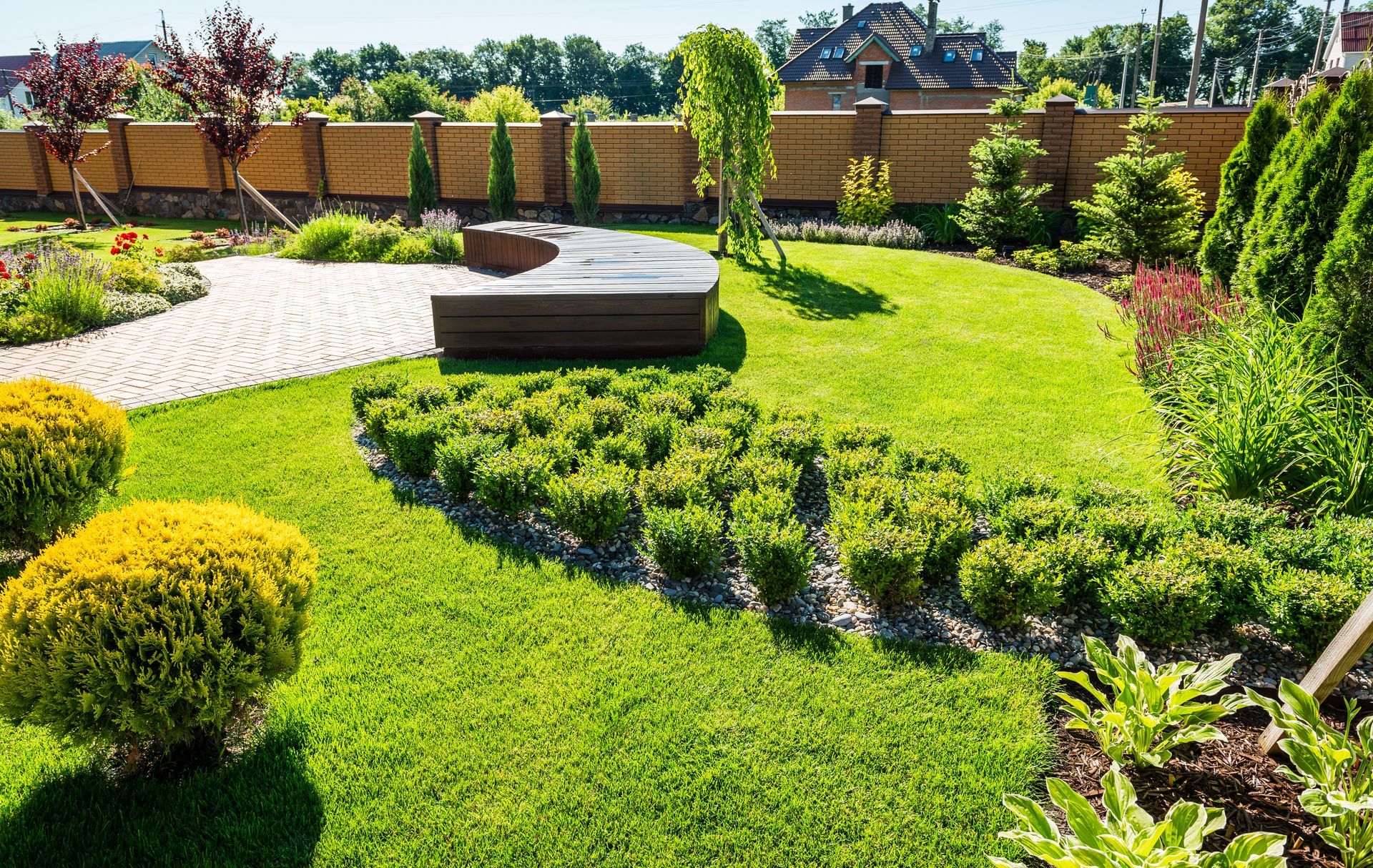
A sustainable garden is designed to look beautiful while using water, soil, plants, and other resources responsibly. For homeowners, this approach can create an outdoor space that is easier to maintain, more resilient during changing weather, and better suited to the local environment. However, building a sustainable landscape involves more than choosing a few drought-tolerant plants. It requires thoughtful planning, proper installation, and ongoing care that supports long-term health instead of short-term appearance.
Certified landscapers bring training, practical experience, and a deeper understanding of how different parts of a garden work together. They can evaluate the property, recommend suitable materials, improve drainage, reduce waste, and create a design that fits the homeowner's goals. Their guidance can also help avoid common mistakes that lead to excessive watering, poor plant growth, erosion, or repeated replacement costs. For smart homeowners, professional support makes sustainable gardening more practical, efficient, and dependable.
Designing Gardens Around Local Conditions
Every property has its own combination of sunlight, shade, soil type, slope, wind exposure, and drainage patterns. A sustainable design begins with understanding these conditions before plants or hardscape features are installed. Professionals study how water moves through the yard, where heat collects, and which areas may remain damp. This information helps them create a layout that works with the land instead of forcing unsuitable features into place.
Certified landscapers can also account for the local climate and seasonal weather patterns. A garden that performs well in one region may struggle in another, even when the same plants are used. By selecting layouts and materials that fit the area, professionals can reduce plant stress and limit unnecessary maintenance. This site-specific approach supports stronger growth while helping homeowners avoid costly changes after installation.
Selecting Plants for Long-Term Performance
Plant selection is one of the most important parts of creating a sustainable garden. Native and climate-adapted plants are often better prepared for local rainfall, temperatures, and soil conditions. Once established, they may require less supplemental water, fertilizer, and pest control than plants that are poorly suited to the region. Choosing the right varieties can also create habitat and food sources for birds, bees, butterflies, and other beneficial wildlife.
Professional landscapers consider mature plant size, root behavior, bloom time, growth rate, and maintenance needs before placing each species. This prevents overcrowding and reduces the need for constant pruning or removal. Plants are also grouped according to similar water and sunlight requirements, making irrigation more efficient. Careful selection creates a balanced garden that continues to look attractive as it matures rather than becoming difficult to manage.
Conserving Water Through Smarter Planning
Water conservation is a major goal in sustainable landscaping. Traditional lawns and poorly planned irrigation systems can use large amounts of water, especially during hot or dry periods. According to Workyard.com, about 40 million acres of land in the United States are covered by lawns, making turfgrass the country's largest irrigated "crop." Reducing unnecessary turf and replacing it with suitable planting beds can significantly lower outdoor water demand.
Experienced landscapers may recommend drip irrigation, efficient sprinkler heads, moisture sensors, rain shutoff devices, or irrigation zones tailored to plant needs. They can also shape beds and grading so water reaches roots instead of running onto sidewalks or pooling near structures. Mulch may be used to slow evaporation and maintain more stable soil moisture. These strategies help gardens remain healthy while using water more carefully.
Building Healthier Soil Naturally
Healthy soil supports stronger plants, better drainage, and more efficient use of water and nutrients. Before planting, professionals may assess soil texture, compaction, organic matter, and drainage. Compacted or depleted soil can limit root growth and make it difficult for water to soak into the ground. Improving these conditions early creates a stronger foundation for the entire landscape.
Organic amendments, compost, and appropriate mulch can improve soil structure without relying heavily on synthetic products. Certified landscapers understand that adding too much of any material can create new problems, so they adjust treatments to match the existing soil. They may also encourage leaving certain natural materials in place when appropriate, such as finely shredded leaves that return nutrients to planting beds. Supporting soil health reduces plant stress and can lower long-term maintenance needs.
Managing Drainage and Preventing Erosion
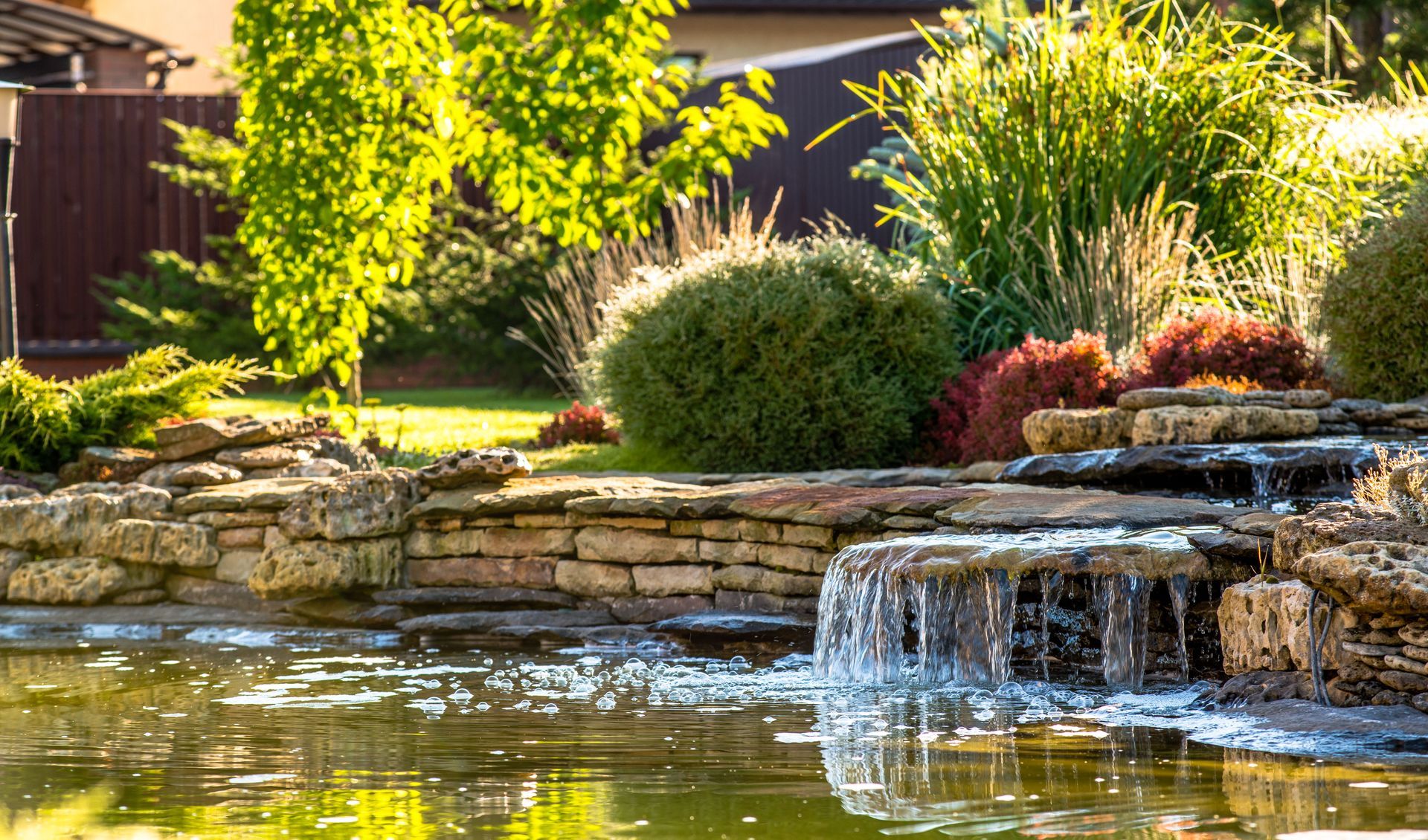
Water that flows too quickly across a property can wash away soil, damage plants, and collect near foundations or paved areas. Poor drainage can also leave roots sitting in saturated soil, increasing the chance of disease and decline. Sustainable landscape planning addresses these risks by guiding water through the property in a controlled and useful way.
Professionals may use grading, swales, rain gardens, permeable surfaces, or carefully positioned plants to slow runoff and encourage absorption. Deep-rooted plants can help stabilize soil on slopes, while ground covers protect exposed areas from heavy rain. When professionals plan drainage alongside planting and hardscaping, the finished garden can handle storms more effectively and reduce the need for repeated repairs.
Reducing Waste Through Responsible Choices
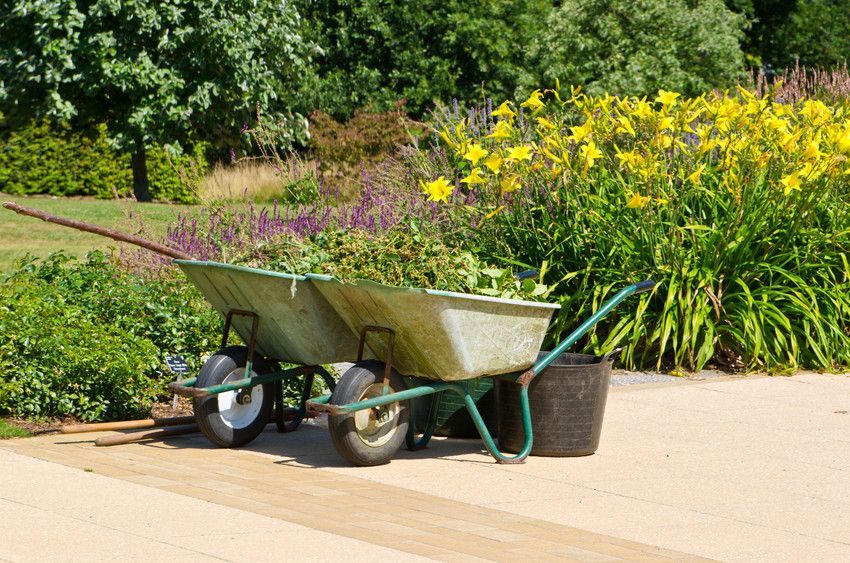
Sustainable gardens aim to reduce the amount of material sent to landfills. Yard waste, removed plants, soil, branches, and old hardscape materials may sometimes be reused, composted, or recycled. Professionals can identify which materials are safe and practical to keep on the property. Reusing suitable stone, edging, or wood can reduce disposal costs while giving the new design a distinctive character.
Responsible choices also include selecting durable products that will not need frequent replacement. Long-lasting pavers, properly installed borders, and high-quality irrigation components can reduce future waste. Skilled landscapers can calculate material quantities more accurately, which limits unnecessary purchases and leftover supplies. Thoughtful planning helps homeowners invest in features that support the garden for years instead of creating a cycle of removal and replacement.
Supporting Biodiversity and Natural Balance
A sustainable garden can do more than improve the appearance of a property. It can provide shelter, food, and water for pollinators and other wildlife. Planting a variety of trees, shrubs, flowers, and grasses creates different layers of habitat. Choosing species that bloom or produce seeds at different times can provide resources throughout more of the year.
Certified professionals can help homeowners create this diversity without allowing the garden to become overgrown or difficult to maintain. They may recommend reducing broad pesticide use, adding pollinator-friendly plants, or leaving small areas of natural cover where appropriate. A balanced landscape can support beneficial insects that help control pests naturally. This approach creates a more active and resilient outdoor environment.
Planning Maintenance for Lasting Results
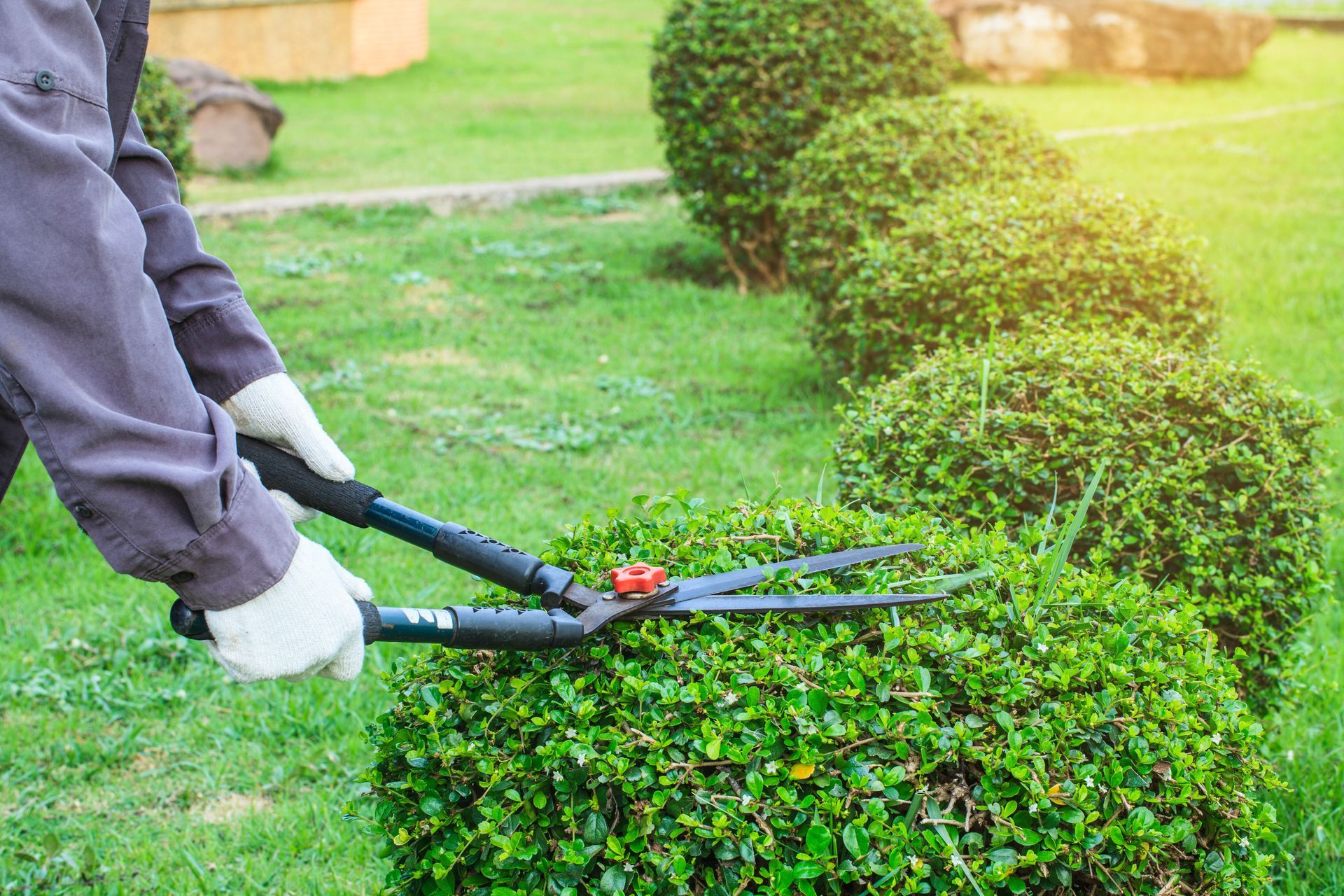
Even a sustainable garden requires regular care, especially while plants are becoming established. The difference is that maintenance is planned to support natural growth instead of constantly correcting poor design decisions. Professionals can provide schedules for watering, pruning, mulching, soil care, and seasonal cleanup. Clear guidance helps homeowners understand which tasks are necessary and which practices may waste time or resources.
Ongoing professional support can also help identify problems before they spread. Early signs of plant stress, irrigation leaks, soil erosion, or pest activity are often easier to correct when discovered quickly. As the garden matures, watering and maintenance needs may change. Periodic evaluation allows the landscape to adapt while preserving the original sustainability goals and protecting the homeowner's investment.
Smart homeowners choose certified professionals because sustainable gardens depend on informed decisions at every stage. From evaluating site conditions and selecting suitable plants to conserving water, improving soil, managing drainage, reducing waste, and supporting biodiversity, each choice affects the long-term performance of the landscape. Professional planning can create an outdoor space that is attractive, practical, and better aligned with the natural environment. With help from experienced landscapers, homeowners can reduce unnecessary maintenance while building gardens that remain healthy and valuable over time. To begin planning a more sustainable outdoor space, contact Abarca Landscape.