February 9, 2026
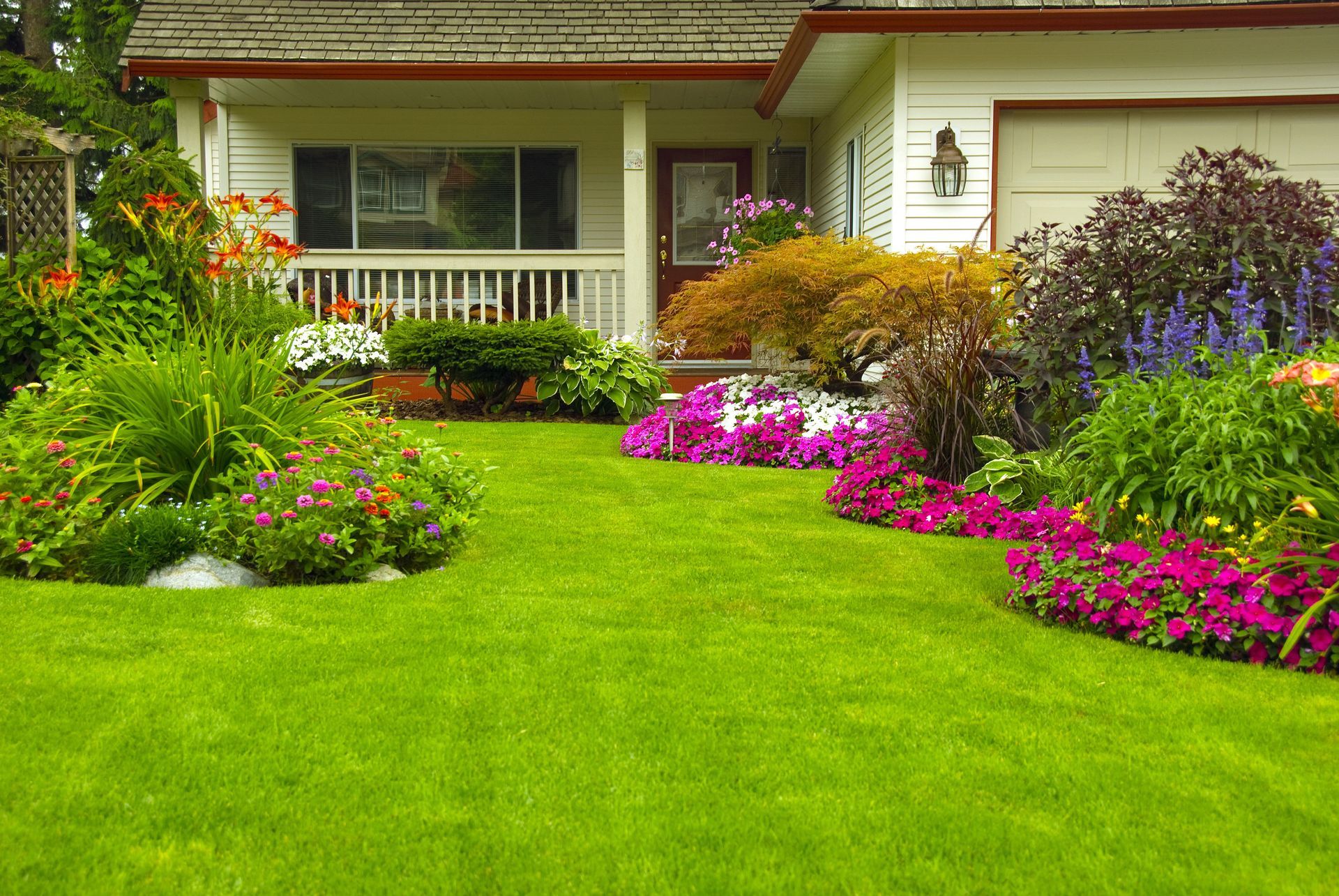
The pursuit of a beautiful and healthy yard is a common goal among homeowners, as it enhances the visual appeal of a property and can increase its value. However, many individuals unknowingly make mistakes that can undermine their landscaping efforts. These errors can result in unnecessary expenses and the potential for long-term damage. By being aware of these common pitfalls, homeowners can better navigate their landscaping journey. Professional landscaping advice from experienced landscapers can be invaluable in avoiding these mistakes, providing insight into best practices and customized solutions.
Overwatering the Lawn
Many homeowners believe that more water equates to a healthier lawn, but overwatering is one of the most detrimental mistakes one can make. Different plants have varying water requirements, and understanding these needs is crucial for maintaining a healthy lawn. It's important to consider the specific needs of each type of grass and plant within your landscape to provide adequate moisture without drowning them.
Recognizing the signs of overwatering is key to preventing further damage. Common symptoms include yellowing of the grass, the presence of fungus such as mushrooms or mold, and soggy soil that doesn't dry out. An overwatered lawn will often also have issues with root rot, where the roots become waterlogged and begin to decay. Identifying these symptoms early can help mitigate harm and allow for corrective measures to be put in place. Even as homeowners strive for a verdant lawn, caution against overwatering is a necessary step.
Neglecting Soil Preparation
Healthy soil is foundational to successful plant growth and vibrant gardens. It acts as a reservoir, holding nutrients and moisture that plants need to thrive. Failure to properly prepare the soil can lead to poor plant development and increased maintenance. Many homeowners underestimate the weight of well-prepared soil and the concerted efforts required for its maintenance. Evaluating the soil's health and properties should be a preliminary step before planting, a process often recommended by professional landscapers.
Soil testing is a beneficial practice that can reveal key insights into the composition of your garden's soil. Testing allows homeowners to determine pH levels, nutrient profiles, and structure, providing guidance for necessary amendments. Soil test kits are available at garden centers, or professionals can be hired for a more comprehensive analysis. This information is critical in avoiding common errors such as over-fertilizing or choosing incompatible plants. By aligning planting strategies with the soil's needs, homeowners maximize plant health and garden success.
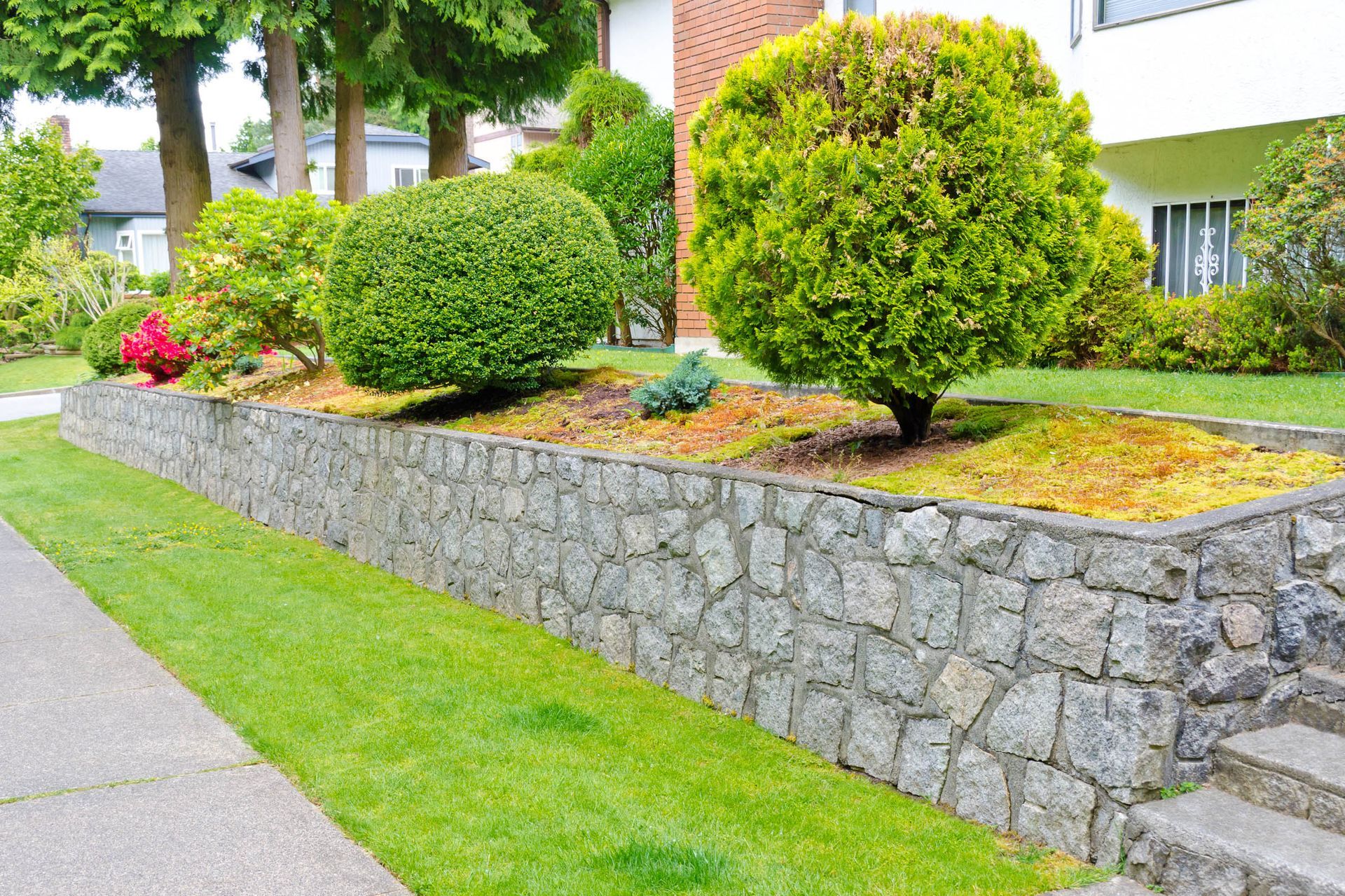
Common mistakes often include neglecting to amend compacted soil or failing to account for drainage issues. Amending the soil may involve incorporating organic matter like compost or well-rotted manure to enhance fertility and structure. Furthermore, creating drainage pathways can prevent water from pooling, which can be detrimental to plant health. Consistent mulching and periodic aeration are practices that support long-term soil health. According to Bob Vila, when planting trees plan 12 to 15 years out, to ensure trees thrive in the available space as they mature.
Placing Plants Incorrectly
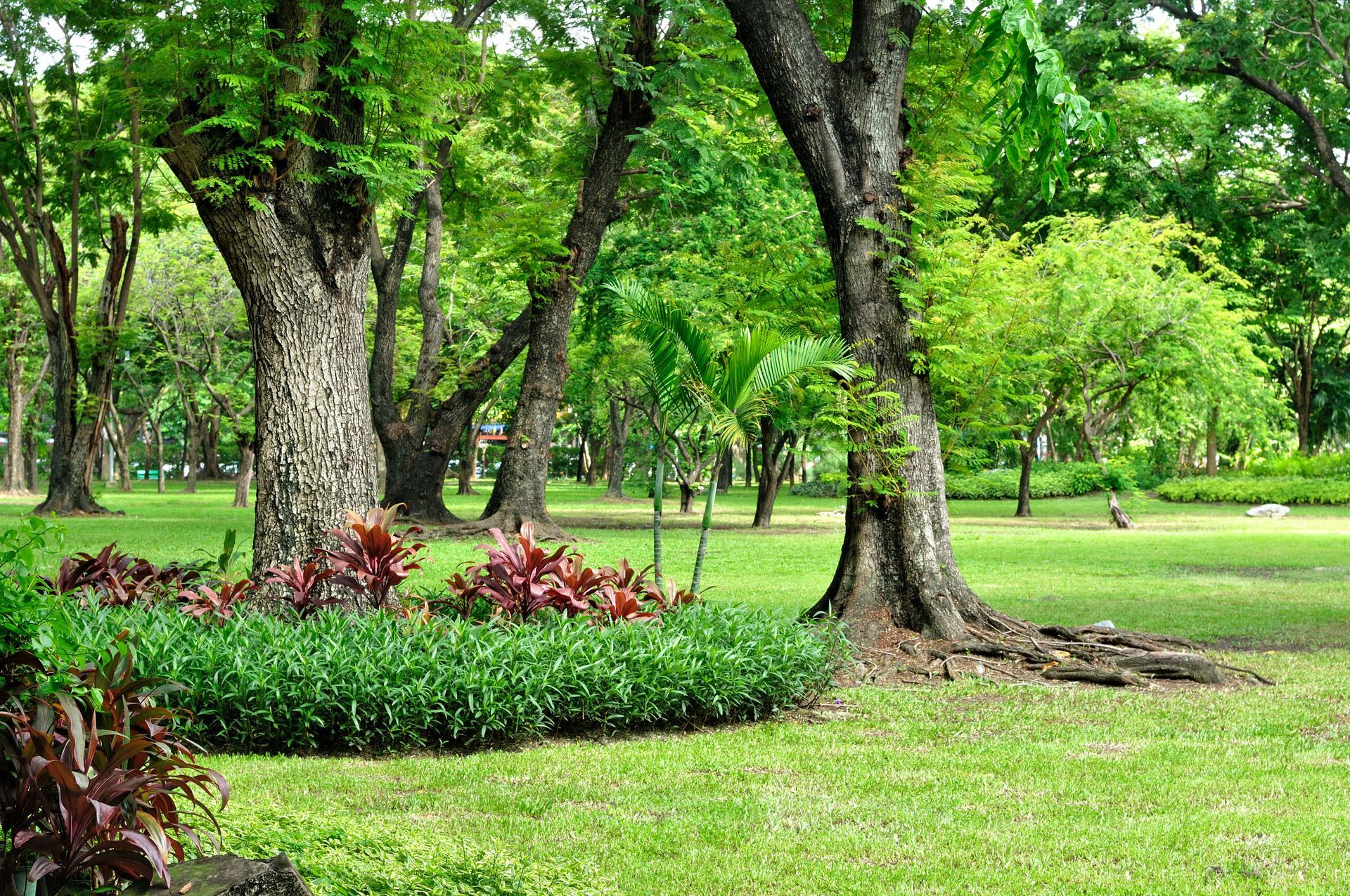
The placement of plants is a critical component that affects their growth and overall landscape aesthetics. Different plants have varied sunlight requirements that influence where they should be positioned in the garden. Ignoring these needs can lead to plant stress, poor growth, or even death. For example, sun-loving plants can become leggy and weak if planted in shade, while shade plants can wilt and burn in direct sunlight. Aligning plant placement with their sunlight needs is essential for creating a harmonious and flourishing garden, a detail seasoned landscapers carefully evaluate.
Proper spacing is another aspect that is frequently overlooked, yet vital for plant health and visual appeal. Crowding plants can prevent them from receiving adequate air circulation and sunlight, leading to increased susceptibility to disease. Each plant should have space to reach its full size without being encroached upon by its neighbors. Proper spacing allows for a neat and tidy appearance and reduces maintenance needs over time. Informed decisions about spacing ensure that plants aren't competing for resources such as soil nutrients and water.
Ignoring Seasonal Needs
Each season brings distinct challenges and care requirements for plants, making it essential for homeowners to adapt their maintenance routines accordingly. Seasonal plant care involves adjusting watering habits, pruning, and fertilizing schedules to align with the changing needs of plants. A lack of awareness regarding these shifts can adversely impact plant health. For instance, during hot summer months, additional hydration is crucial to combat increased evaporation. Remaining attuned to these requirements ensures that plants receive optimal care throughout the year.
Preparing for the transition into winter is particularly critical to protect plants from harsh conditions. Many plants enter a dormant phase during colder months, and taking preemptive steps can shield them from frost and ice damage. This might include mulching to insulate roots, relocating sensitive containers indoors, or employing covers for frost-sensitive plants. Shrubs and trees may require a pruning haircut to remove dead wood that can become a liability during winds. By fortifying plants early, homeowners support a smooth transition into the growing seasons.
Overlooking Pest Control
Pest problems can swiftly overwhelm a garden, making timely detection a cornerstone of effective management. Without early intervention, pests can inflict extensive damage to plants and soil microorganisms, leading to reduced yields and high treatment costs. Identifying pests at the initial stages of infestation allows homeowners to apply solutions before the situation escalates. Regular inspections are critical for catching these issues promptly, focusing on common signs of pest presence like discoloration or eaten foliage. Such vigilance protects plant health and longevity, a priority shared by knowledgeable landscapers.
When it comes to combatting pests, homeowners often face the decision between natural and chemical interventions. Natural remedies, such as introducing beneficial insects or plant-based repellents, provide an eco-friendly approach that minimizes harm to the ecosystem. Conversely, chemical options might offer quicker results but can pose risks to human health, non-target organisms, and the environment. Discussing the pros and cons of both approaches aids in making an informed choice. Implementing these solutions should focus on balancing effectiveness with ecological consideration.
Failing to Create a Maintenance Plan
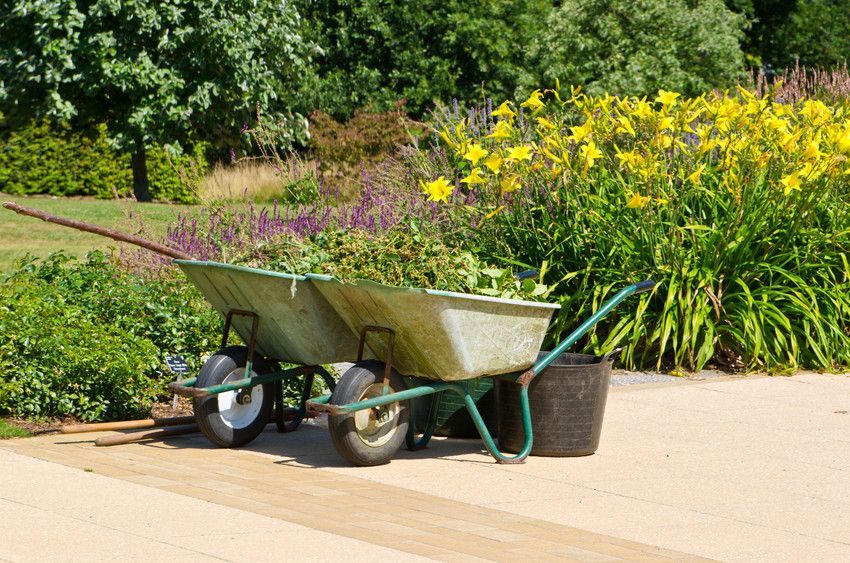
Consistent maintenance is a commitment that ensures the enduring health and attractiveness of any landscape. Routine care helps avoid costly fixes and energy-draining corrections that may arise from neglect. An effective landscape maintenance plan details tasks for every season, ensuring comprehensive coverage across all aspects of garden management. Prioritizing this commitment will foster a thriving and well-manicured outdoor space. Whether it be perennial pruning or leaf raking, each maintenance action contributes to overall landscape vitality.
Developing a routine schedule is an organizational task that simplifies landscape management. Setting up a calendar for weekly, monthly, and seasonal tasks helps avoid overlaps and omissions that can arise from unstructured care. This consistency allows homeowners to anticipate and plan for garden needs systematically. Monthly tasks may include trimming hedges, while seasonal endeavors can prepare the garden for temperature and weather changes. An organized schedule presents clarity and ensures nothing is missed in a busy home life.
Landscaping mistakes are common yet avoidable with the right knowledge and preparation. By understanding the factors discussed—such as water management, soil preparation, plant placement, seasonal care, pest control, and developing a routine—homeowners can circumvent many pitfalls. The article underscores the value of professional advice, urging homeowners to consider expert consultation to ensure their landscape reaches its full potential. By resolving to learn from these errors and embracing consistent knowledge acquisition, homeowners secure not only a thriving yard but also an enriching experience. When you’re ready to enhance your outdoor space with confidence, Abarca Landscape is here to help, offering trusted guidance from experienced landscapers; contact our team today to schedule a consultation and bring your landscaping vision to life.