July 10, 2026
Developing a sustainable exterior environment is a vital responsibility for property owners who wish to minimize their ecological footprint while enhancing the beauty of their homes. A healthy, thriving outdoor space serves as a crucial habitat for local wildlife, helps filter airborne pollutants, and contributes to the natural cooling of our neighborhoods. While many people associate outdoor projects purely with visual curb appeal, the environmental choices made during the planning and maintenance phases have deep, lasting consequences for the surrounding ecosystem. Making informed, eco-conscious decisions about your soil, vegetation, and irrigation systems is paramount to promoting local biodiversity. According to Gitnux, approximately 40% of homebuyers consider a lush, well-maintained yard a key factor in property valuation. This statistic demonstrates that investing in your outdoor surroundings is a wise decision that supports your home equity while creating a healthier local habitat. Achieving a truly sustainable and resilient yard requires a deep understanding of local soil conditions, native plant species, and regional weather patterns. Engaging qualified local landscapers to design and manage your property ensures that your green spaces are not only beautiful but also ecologically beneficial to the community.
Fostering Native Plant Diversity
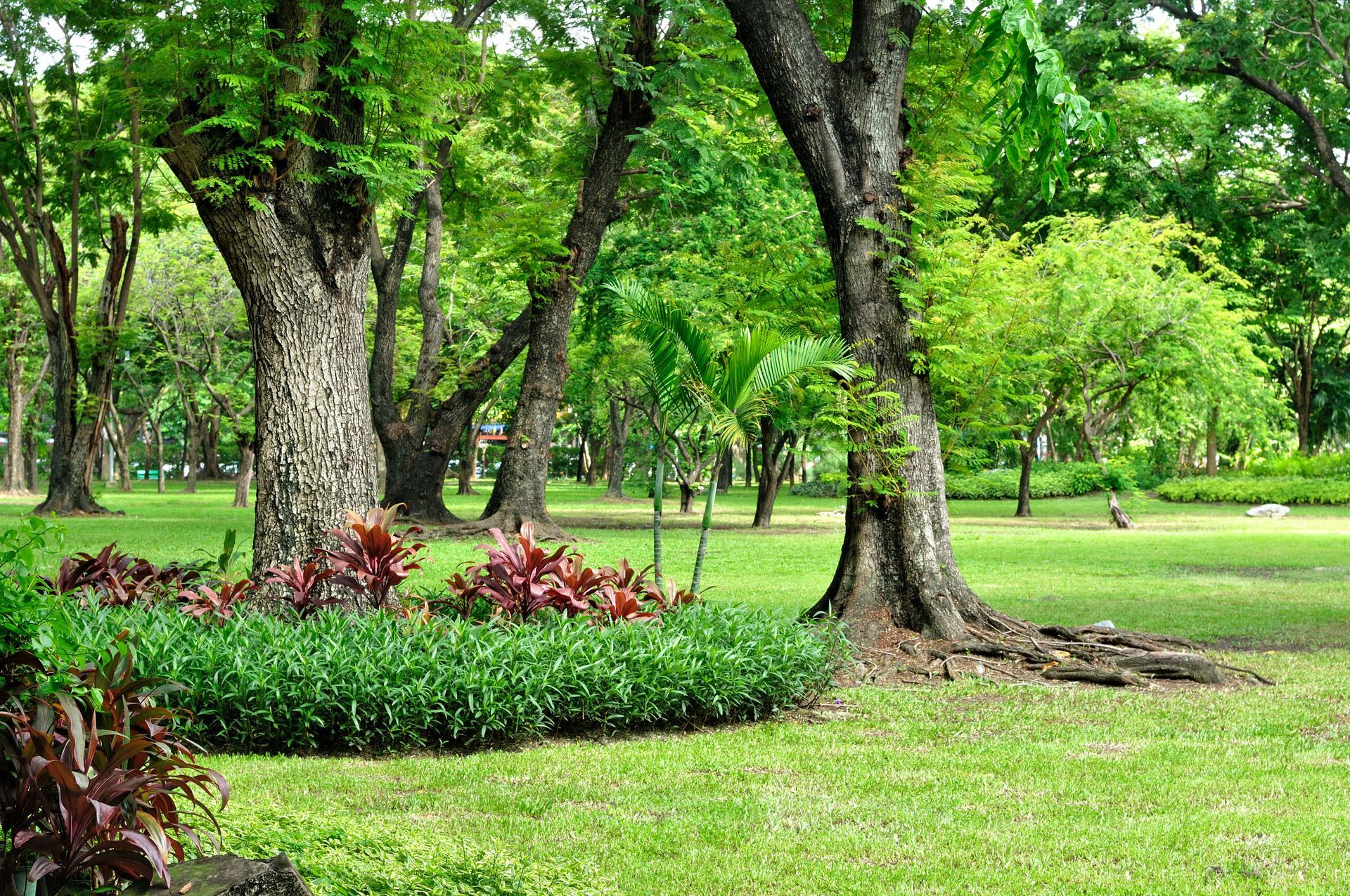
Introducing indigenous flora is a cornerstone of sustainable outdoor design, as native species have adapted to regional soil types and weather conditions over vast periods of time. These plants require far less human intervention to survive, possessing natural defenses against local pests and diseases that exotic species lack. When you populate your garden beds with native wildflowers, shrubs, and trees, you create a stable sanctuary for local pollinators, birds, and beneficial insects. Exotic plants often fail to provide the specific food and nesting materials that native wildlife relies upon, leading to a decline in local animal populations. Collaborating with local landscapers ensures you select species that naturally belong in your region, creating a harmonious environment that flourishes naturally. These professionals understand which combinations of native plants work best together to establish a self-sustaining landscape that prevents erosion and supports soil health. By prioritizing these adapted species, you reduce the need for supplemental watering and chemical treatments, allowing nature to maintain its own balance with minimal disruption.
Conserving Valuable Water Resources
Efficient water management is a critical environmental priority, particularly as weather patterns become more unpredictable and municipal water supplies face increasing strain. Standard lawn care practices often waste massive volumes of water through inefficient sprinkler systems, evaporation, and poor planting choices. Establishing a water-wise landscape involves restructuring your gardens to group plants with similar moisture needs together, a practice known as hydrozoning. This organized layout prevents overwatering and ensures that every drop of water is utilized effectively. Additionally, incorporating advanced drip irrigation systems and smart controllers that adjust watering schedules based on real-time weather conditions minimizes waste. Working with local landscapers allows you to design custom water conservation systems tailored specifically to the unique microclimate of your property. These experts can also integrate rain gardens and permeable paving materials that capture rainwater runoff, allowing it to soak naturally into the ground and replenish local aquifers rather than overwhelming municipal storm drains. Applying organic wood chips as mulch further preserves surface moisture, reducing overall watering demands.
Minimizing Harmful Chemical Runoff
The widespread use of synthetic fertilizers, chemical pesticides, and chemical weed killers has a devastating impact on our soils, waterways, and local wildlife. When heavy rain falls on a chemically treated lawn, the runoff carries these toxic substances into nearby streams, rivers, and lakes, contributing to water pollution and harming aquatic life. Over time, continuous chemical applications degrade the natural biology of your soil, killing off beneficial microbes and earthworms that keep the earth healthy and aerated. Transitioning to organic soil amendments, natural compost, and biological pest control methods restores the natural vitality of your property without introducing harmful toxins. Knowledgeable local landscapers implement organic pest management strategies that target specific pest problems without harming beneficial insects like bees and butterflies. They focus on building strong, resilient soil that naturally resists weeds and diseases, ensuring your lawn remains lush and green without relying on synthetic chemical additives. Restoring this biological balance encourages natural predators to manage pests without synthetic chemicals.
Reducing Carbon Emissions Output
The maintenance of traditional suburban lawns often relies heavily on gas-powered equipment like lawnmowers, leaf blowers, and hedge trimmers, which release substantial volumes of greenhouse gases into the atmosphere. Transitioning to manual tools, electric-powered machinery, or low-maintenance ground covers is an effective way to lower the carbon footprint of your property upkeep. Furthermore, the transportation of heavy landscaping materials, plants, and equipment over long distances contributes significantly to transportation emissions. Relying on local landscapers significantly reduces travel-related emissions because these professionals source their plants and materials from regional nurseries and suppliers located near your community. Sourcing soil, mulch, stone, and vegetation locally minimizes the energy consumed during transport and supports the regional economy. This localized approach ensures that the carbon footprint associated with beautifying your property remains as low as possible, promoting a cleaner, healthier atmosphere for everyone. Sourcing regional products also reduces packaging waste, conserving natural resources.
Preserving Vital Soil Ecosystems
Healthy soil is a living, breathing ecosystem teeming with microscopic organisms that play a vital role in decomposing organic matter and delivering essential nutrients to plants. Standard construction and intensive gardening practices often compact the soil, stripping it of oxygen and destroying the delicate fungal networks that keep the earth fertile. Protecting this underground network requires careful soil management, including routine aeration, topdressing with organic compost, and minimizing heavy foot traffic in sensitive areas. Applying a thick layer of organic mulch around your plantings preserves soil moisture, regulates underground temperatures, and slowly decomposes to enrich the soil with vital nutrients over time. Professional teams possess the specialized knowledge and equipment required to analyze your soil structure and apply targeted organic enhancements that restore its natural balance. Prioritizing the health of your soil ensures that your plants grow strong root systems capable of absorbing water and nutrients efficiently, establishing a resilient landscape that survives weather extremes. Healthy soil also acts as a powerful carbon sink, actively sequestering carbon dioxide from the atmosphere.
Making the choice to adopt sustainable outdoor practices is a powerful way to protect the natural world while creating a peaceful, beautiful retreat for your family. From fostering native plant diversity and conserving water to eliminating chemical runoff, lowering carbon emissions, and preserving soil health, every eco-friendly decision you make helps build a more resilient community. Partnering with a dedicated team ensures that your unique design dreams are executed with the highest level of environmental care and professional craftsmanship. At Abarca Landscape, we believe that hiring local landscapers is a highly rewarding way to protect our native ecosystems while elevating the beauty and value of your physical property. Our experienced team is passionate about delivering customized, sustainable outdoor solutions that align perfectly with the unique climate, soil, and wildlife of our region. We utilize advanced, water-efficient technologies, source our premium plants from regional growers, and employ organic soil management techniques to keep your yard thriving naturally. Let us help you transform your outdoor space into a lush, eco-friendly haven that supports local biodiversity and brings lasting enjoyment to your home. Reach out to our team today to get started with some of the top
local landscapers.