July 9, 2026
Working with professional local landscapers can help turn an outdoor space into something more attractive, functional, and easier to enjoy. A landscaping project may involve design, planting, hardscape features, irrigation upgrades, drainage improvements, lighting, patios, walkways, outdoor living areas, or a full backyard remodel. Knowing what to expect before the project begins can help homeowners and business owners feel more prepared. From the first consultation to the final walkthrough, the process is usually built around clear communication, practical planning, and a design that fits the property's layout, budget, and long-term goals.
Starting With a Clear Consultation
The first step is usually a consultation where the client explains what they want from the space. Some people want a backyard that is better for relaxing or entertaining, while others need a commercial exterior that feels more welcoming and easier to navigate. A consultation may cover priorities, preferred styles, problem areas, budget expectations, and how the outdoor area is used day to day.
This early conversation also gives landscapers a chance to understand the property itself. Site conditions such as size, layout, sun exposure, soil conditions, drainage concerns, existing plants, and traffic flow can all influence the final plan. A good consultation should help connect the client's ideas with what is practical for the space.
Developing a Custom Design Plan
After the initial discussion, the next step is usually a customized design plan. This plan may include visuals, layout diagrams, plant selections, hardscape materials, lighting ideas, and other details that show how the finished space may come together. The purpose is to create a clear direction before installation begins. This stage also gives clients a chance to compare options, request adjustments, and understand how each feature contributes to the full outdoor plan.
For residential properties, the design may focus on outdoor living areas, patios, walkways, firepits, water features, drought-tolerant landscaping, artificial turf, or areas for gathering and relaxation. For commercial properties, the design may focus on curb appeal, entrance areas, walkways, outdoor seating, signage visibility, parking flow, and exterior spaces that support customers, employees, or visitors.
According to Gitnux, 55% of homeowners hire professional landscaping services annually. That demand reflects how many property owners want outdoor spaces that are planned carefully rather than handled piece by piece. A strong design plan helps clients understand the project scope and make decisions before construction begins.
Balancing Beauty, Function, and Maintenance Needs
Professional landscaping is not only about appearance. A well-planned outdoor space should also support everyday use. Walkways should connect important areas naturally. Patios should fit the way people cook, dine, relax, or entertain. Plantings should suit the climate and the amount of care the property owner wants to manage.
Maintenance needs should be discussed during the planning phase. This does not always mean creating a formal care program. It may simply mean choosing plants, irrigation options, turf, ground coverings, and hardscape materials that make sense for the property. Drought-tolerant plants, efficient irrigation, and durable hardscape materials can help create a space that remains easier to manage over time.
Understanding Hardscape and Outdoor Living Options
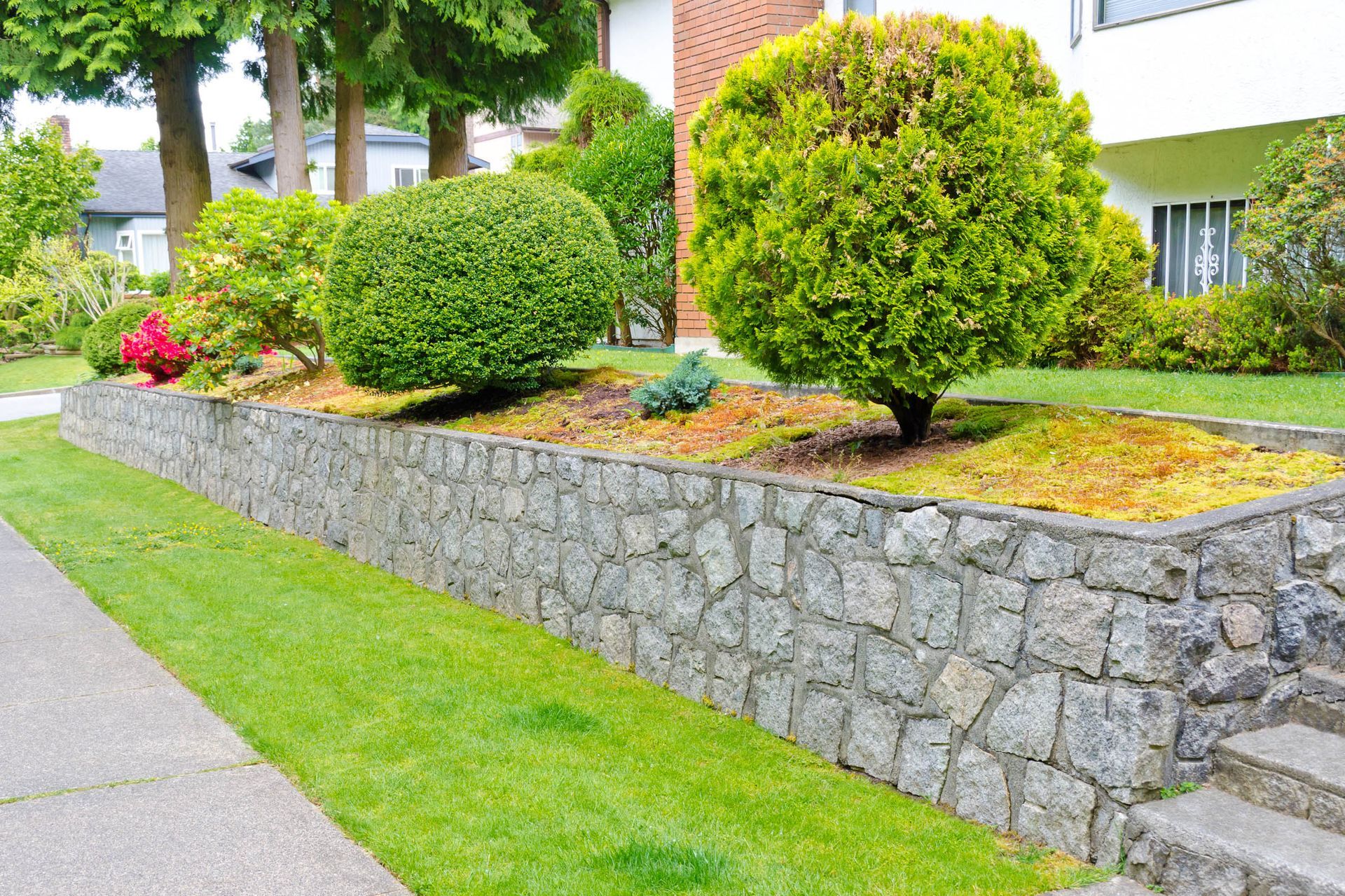
Many landscaping projects include hardscape elements. These may include paver patios, walkways, driveways, retaining walls, planter walls, steps, outdoor kitchens, firepits, fireplaces, courtyards, entrance areas, seating areas, or stamped concrete. Hardscape features often give the outdoor space its structure and help define how the area will be used.
Because hardscapes are built features, planning matters. The size, placement, materials, elevation changes, and surrounding landscape should all work together. A patio that is too small may not support entertaining, while a walkway that is poorly placed may not improve movement through the property. Professional planning helps these features feel connected to the rest of the design.
Addressing Drainage, Irrigation, and Water-Wise Design
Drainage and irrigation can affect how well a landscape performs over time. Poor drainage may create puddling, erosion, or unusable areas after rain. Irrigation that is not planned carefully may waste water or fail to support healthy plant growth. These practical concerns should be considered before installation begins.
Local landscapers may recommend drainage solutions, irrigation upgrades, drought-tolerant plantings, artificial turf, or water-wise design choices based on the property's needs. In dry climates, efficient irrigation and plant selection can be especially important. These decisions can help support long-term landscape health while keeping the outdoor space practical for everyday use.
Knowing What Installation May Involve
Once the design is approved, installation brings the plan to life. Depending on the project, this stage may include demolition, grading, masonry, planting, paver installation, concrete work, lighting installation, irrigation upgrades, drainage work, or construction of outdoor living features. Larger remodels may involve several stages, while smaller improvements may be more straightforward.
Installation can also require flexibility. Weather, material availability, site conditions, or requested changes can affect the schedule. Clients should expect updates throughout the project so they understand what is happening and when different phases are expected to move forward. Clear communication helps prevent confusion and keeps expectations realistic.
Setting a Realistic Budget
Budgeting is an important part of working with professional landscapers. Costs can vary depending on project size, materials, features, site conditions, and the amount of construction involved. A small refresh will not have the same budget as a full backyard remodel with patios, lighting, outdoor kitchens, water features, and irrigation improvements.
A detailed quote helps clients understand what is included in the project. It may outline materials, labor, design details, installation phases, and available options. Financing may also be discussed when it is available. The goal is to help the client make informed choices and prioritize the features that matter most.
Communicating Throughout the Project
Good communication helps a landscaping project run more smoothly. Clients should know who to contact with questions, how updates will be shared, and when decisions may be needed. Regular updates can help clients understand progress, approve adjustments, and stay informed if conditions change.
Communication is especially important when a project includes several elements, such as planting, hardscaping, lighting, drainage, and irrigation. Each part of the project should support the overall design. When expectations are clear, the finished outdoor space is more likely to match the original vision.
Reviewing the Finished Space
A final walkthrough gives the client and landscaper a chance to review the completed work. This step may include checking the layout, hardscape features, planting areas, lighting, irrigation components, drainage improvements, and other finished details. It also gives the client an opportunity to ask questions about basic upkeep and long-term care.
Maintenance recommendations can be especially helpful after installation. Clients may receive guidance on watering, plant care, seasonal considerations, or how to protect new features as they settle into the landscape. These recommendations help the outdoor space continue to function well after the project is complete.
Working with professional local landscapers should be a collaborative process that turns outdoor goals into a clear, buildable plan. From the first consultation to the final walkthrough, clients can expect discussions about design, budget, materials, hardscapes, irrigation, drainage, installation, and long-term usability. A well-planned landscape can improve curb appeal, create more functional outdoor areas, and make a property more enjoyable throughout the year. Looking to schedule services with expert local landscapers? If so, then get in touch with Abarca Landscape. We look forward to working with you!